Uncovering Blockchain-Driven Transparency Shifts Within Remote Gaming Reward Networks Worldwide
Written by Gisela Peters · May 20, 2026
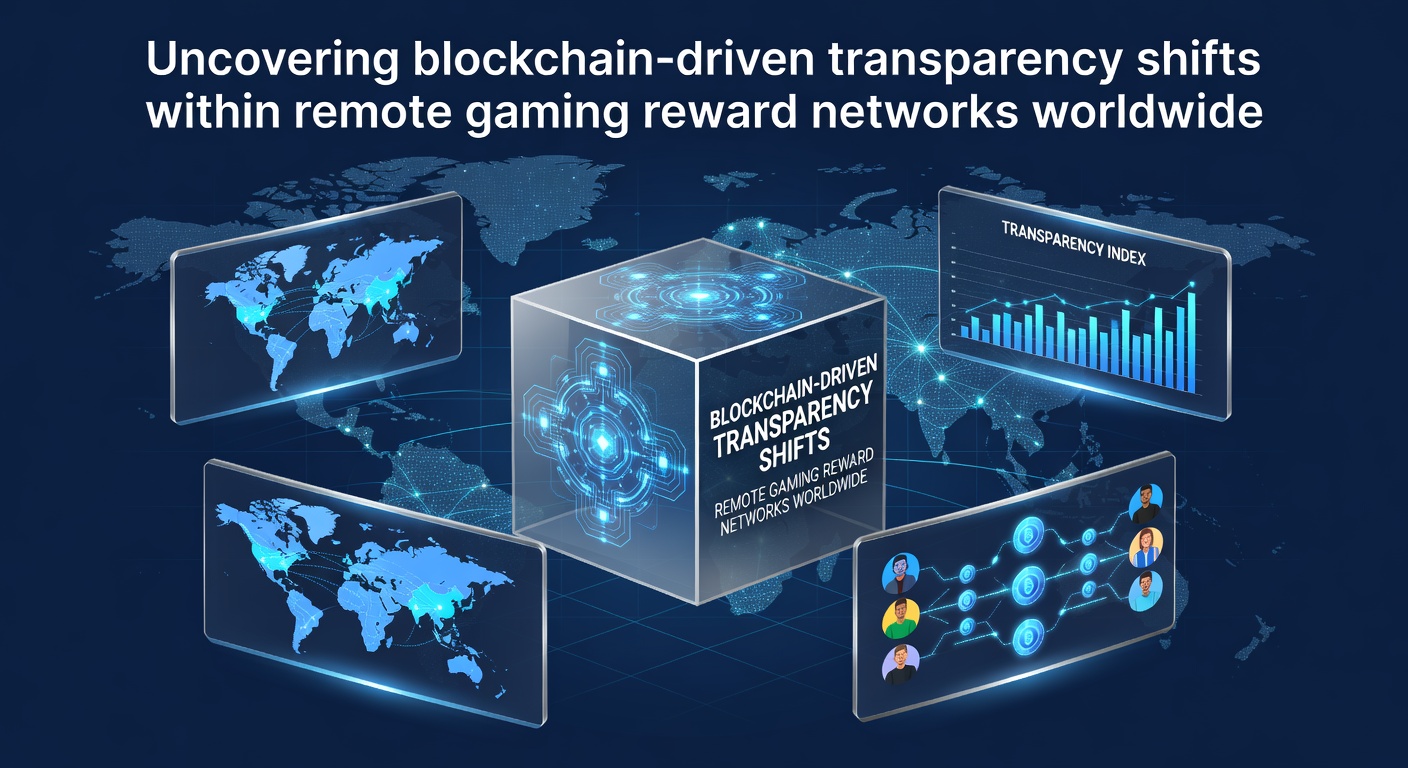
Uncovering Blockchain-Driven Transparency Shifts Within Remote Gaming Reward Networks Worldwide
Blockchain technology has begun reshaping how remote gaming reward networks operate, delivering verifiable records that replace traditional opaque systems with distributed ledgers accessible to players and operators alike. Remote platforms now issue loyalty points, bonus credits, and promotional tokens through smart contracts that execute automatically once predefined conditions are met, creating an audit trail that cannot be altered retroactively.
How Distributed Ledgers Reshape Reward Distribution
Operators integrate blockchain protocols to log every transaction in reward ecosystems, from initial player sign-ups to the redemption of accumulated points for cash equivalents or merchandise. Each entry receives a timestamp and cryptographic hash, allowing independent verification without reliance on centralized databases that have historically faced disputes over missing credits or manipulated balances. Data from regulatory filings shows that networks adopting these systems report fewer player complaints regarding reward discrepancies, particularly in jurisdictions where digital gambling volumes continue to expand rapidly.
Smart contracts handle the release of tiered bonuses once wagering requirements are satisfied, eliminating manual reviews that once delayed payouts for weeks. Players receive real-time updates through mobile interfaces connected directly to the ledger, confirming that their activity has triggered the expected allocation. This setup proves especially useful in cross-border operations where currency conversions and regional rules add layers of complexity to traditional accounting methods.
Regional Adoption Patterns Emerging by Mid-2026
Developments through May 2026 highlight accelerated testing of permissioned blockchains in Europe and parts of Asia, where operators seek compliance with evolving digital asset regulations. In Canada, several provincial frameworks now encourage pilot programs that tie reward tokens to public ledgers, enabling oversight bodies to monitor distribution fairness without accessing proprietary operator data. Australian authorities have similarly examined how immutable records might support responsible gaming initiatives by flagging unusual reward patterns that could indicate problem play.

North American networks have focused on private chains that balance transparency with player privacy, using zero-knowledge proofs to verify reward eligibility while shielding individual betting histories. Researchers at institutions studying digital economies note that these hybrid approaches reduce settlement times for international players who previously waited for manual currency clearances. Meanwhile, operators in emerging markets have begun exploring public networks for promotional token launches, citing lower infrastructure costs compared with legacy loyalty software.
Verification Tools and Player Empowerment
Third-party auditors now routinely access blockchain explorers to confirm that reward pools match the volumes claimed by operators, a process that replaces periodic manual audits with continuous monitoring. Players gain access to simplified dashboards displaying their personal transaction history alongside aggregate network statistics, fostering greater trust in systems once criticized for hidden terms. Industry reports indicate measurable drops in chargeback rates on platforms that publish these verifiable metrics, as disputes shift from subjective claims to objective ledger comparisons.
Security enhancements accompany the transparency gains, since cryptographic signatures make unauthorized alterations detectable across all network nodes. When combined with multi-signature wallets for high-value redemptions, these features limit exposure to internal fraud that once plagued centralized reward databases. Observers tracking global trends point to reduced instances of duplicate bonus claims, a problem that previously required extensive customer support resources to resolve.
Challenges in Scaling Transparent Systems
Despite clear benefits, integration requires substantial updates to existing backend infrastructure, particularly for operators managing millions of daily micro-transactions. Energy consumption concerns associated with certain consensus mechanisms have prompted many networks to adopt proof-of-stake variants that maintain security while lowering operational footprints. Regulatory uncertainty in some regions continues to slow full-scale rollouts, although pilot results shared at international gaming conferences demonstrate consistent performance improvements.
Interoperability between different blockchain platforms remains an ongoing focus, as players expect seamless transfers of reward tokens across affiliated sites without losing value or history. Solutions under development include standardized token protocols that allow cross-network recognition while preserving each platform's unique loyalty structures. Data compiled by research organizations tracking digital finance shows steady growth in the number of remote gaming providers publishing open-source elements of their reward contracts, inviting community review that further strengthens system integrity.
Conclusion
Blockchain integration into remote gaming reward networks continues to expand worldwide, driven by demands for verifiable fairness and operational efficiency. By May 2026, measurable shifts had appeared across multiple continents, with distributed ledgers handling increasing shares of loyalty mechanics and promotional distributions. These changes deliver documented reductions in disputes and faster settlements, supported by cryptographic guarantees rather than institutional assurances alone. As more jurisdictions refine their approaches to digital assets, the patterns established in early adoptions provide templates for broader implementation across the sector.