Tracing Global Player Migration Patterns Between Virtual Reel Platforms and Resort Loyalty Networks
Written by Harper Otto · Jun 24, 2026
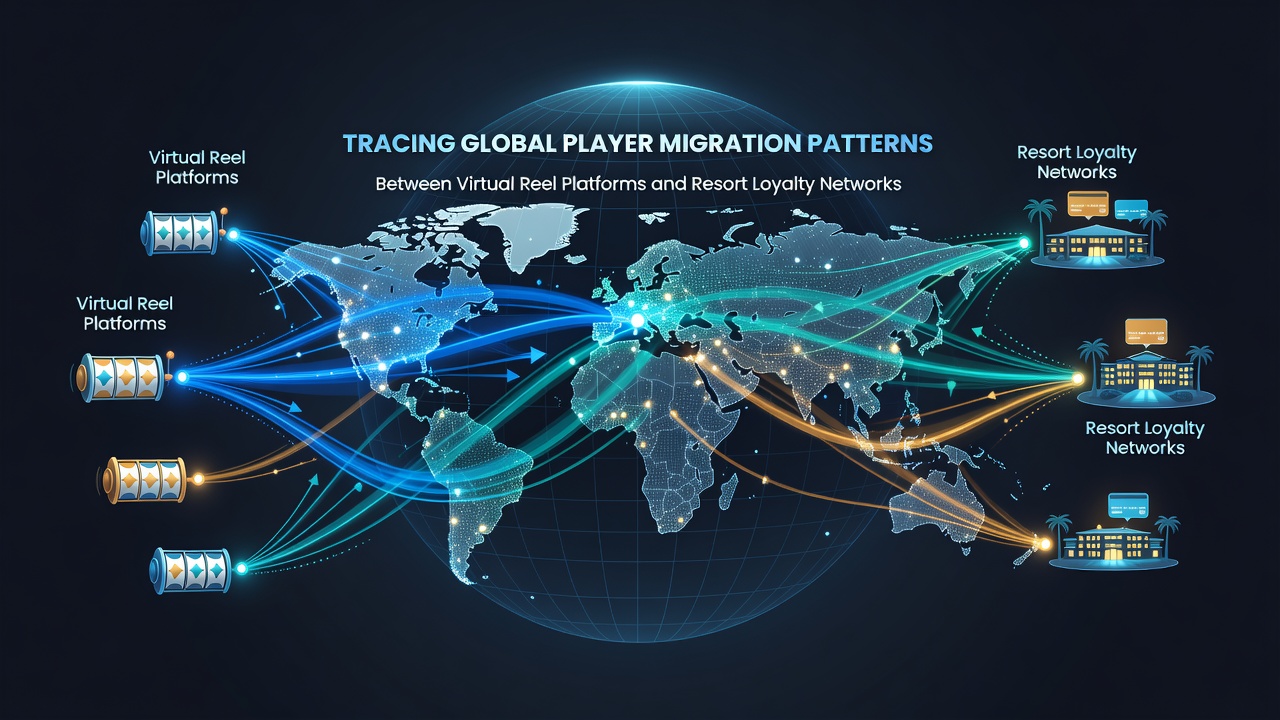
Tracing Global Player Migration Patterns Between Virtual Reel Platforms and Resort Loyalty Networks
Player movement between virtual reel platforms and resort loyalty networks has become a measurable trend across multiple continents, with data indicating shifts in how individuals engage with both digital slots and physical properties. Observers note that these patterns often reflect changes in accessibility, reward structures, and cross-platform integration rather than isolated preferences.
Virtual reel platforms allow continuous access to slot-style games through mobile applications and websites, while resort loyalty networks track visits, wagers, and tier status at land-based locations. Research from industry reports shows that some players begin sessions online before transferring activity to resorts when travel becomes feasible, whereas others start at properties and maintain engagement through apps during off-site periods.
Key Drivers Behind Cross-Platform Movement
Integration of loyalty points across environments plays a central role in these migrations. Programs that award status credits for both virtual wagers and resort play encourage participants to alternate between the two. Figures from the Illinois Gaming Board reveal that properties expanding their digital partnerships have recorded higher rates of returning visitors who also maintain active online accounts.
Seasonal factors influence timing as well. During peak travel months, activity on virtual platforms tends to decrease among resort members, yet those same accounts show increased logins once individuals return home. Conversely, winter periods often see spikes in virtual reel usage among players who hold elite loyalty tiers at destination properties.
Regional Patterns in Player Transitions
In North America, migration frequently connects mobile slot sessions with major resort destinations in states such as Nevada and New Jersey. Data compiled by the American Gaming Association indicates that loyalty members who engage with affiliated virtual platforms demonstrate a 23 percent higher frequency of property visits compared to those using only one channel.
Asian markets present different dynamics. Integrated resorts in Singapore and Macau have implemented systems that link hotel stays and table game play with virtual reel accounts operated by the same corporate groups. Players often complete daily virtual challenges on their devices, then redeem accumulated rewards during scheduled resort trips, creating predictable cycles of movement between formats.
Australian operators have adopted similar approaches through state-regulated frameworks. Reports from the New South Wales Independent Liquor and Gaming Authority document how loyalty tiers earned at Sydney and Melbourne properties carry over to approved virtual reel offerings, resulting in measurable increases in both online session length and subsequent property attendance.
Role of June 2026 Developments in Network Expansion
The Waukegan casino project in Illinois, scheduled for its permanent phase groundbreaking in June 2026, illustrates how new resort infrastructure may affect existing migration routes. Planners anticipate that the facility will incorporate digital loyalty connections from the outset, potentially redirecting player activity from established virtual platforms toward this new physical location once operational.
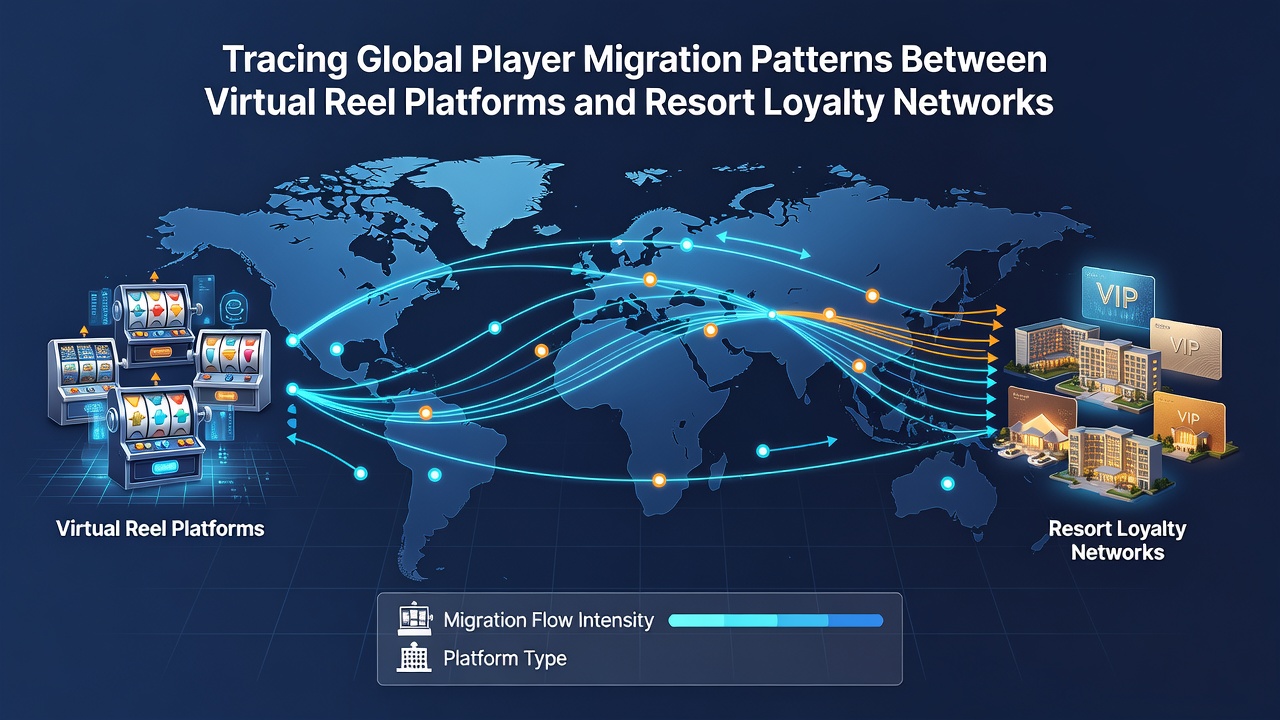
Similar expansions in other regions continue to shape these flows. Properties that synchronize their loyalty databases wth virtual reel operators report smoother transitions for players moving between environments, reducing friction that previously caused drop-offs during switches.
Measurement and Tracking Methods
Operators employ algorithmic matching to identify accounts that show activity across both virtual and physical channels. These systems analyze login timestamps, wager amounts, adn redemption patterns to map migration sequences without requiring direct player input.
Studies conducted by academic institutions, including those affiliated with the University of Nevada, Las Vegas, have examined anonymized datasets to quantify how often players alternate between formats within a single calendar month. Results suggest that a notable portion of high-tier loyalty members maintain consistent engagement on both sides rather than abandoning one for the other.
Conclusion
Global patterns of player movement between virtual reel platforms and resort loyalty networks continue to evolve alongside technological and regulatory developments. As new properties prepare openings such as the Waukegan project in June 2026, and as existing operators refine their cross-channel integrations, the data streams connecting these environments are likely to grow more detailed and interconnected over time.