Synchronized Loyalty Point Accruals Across Mobile Sessions and On-Site Visits at Multi-State Casino Chains
Written by Yara Hayes · Jul 24, 2026
Synchronized Loyalty Point Accruals Across Mobile Sessions and On-Site Visits at Multi-State Casino Chains
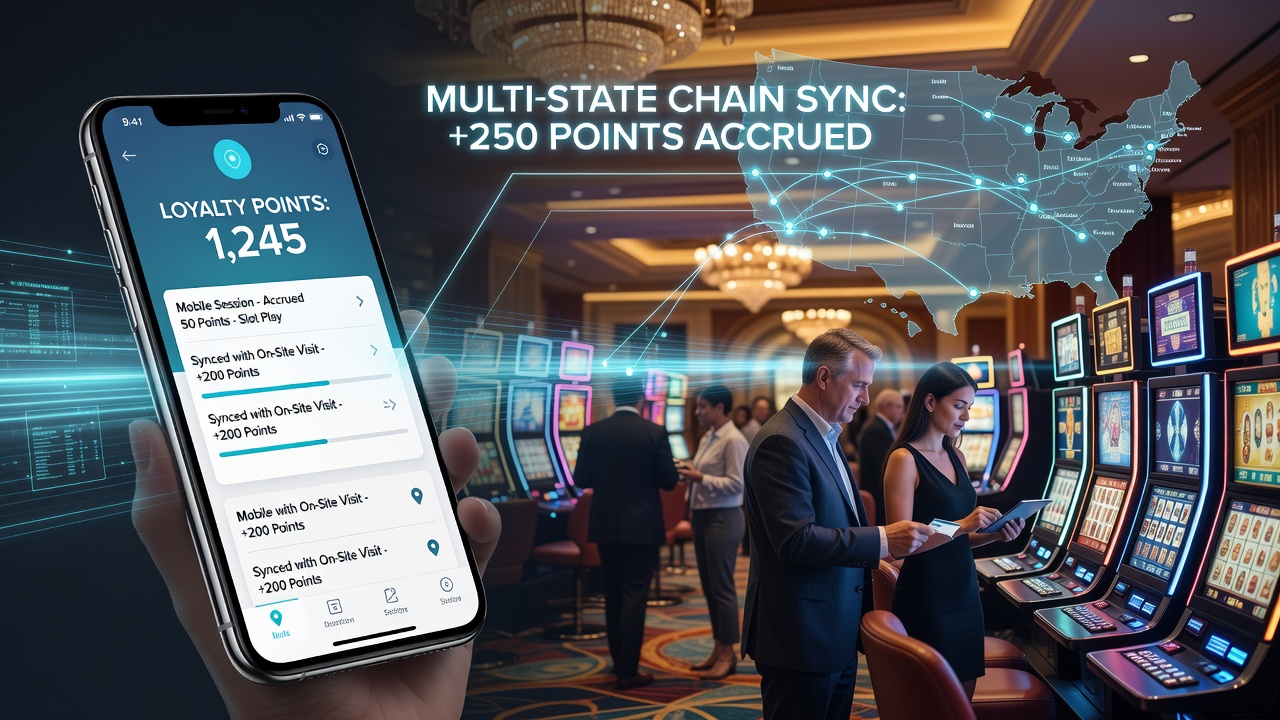
Multi-state casino chains operate loyalty programs that track player activity through both mobile applications and physical venue visits using unified databases that update in real time, and these systems connect point accruals from digital sessions directly to on-site rewards without manual intervention. Chains such as those spanning Nevada, New Jersey, and Pennsylvania maintain centralized player accounts where wagers placed on approved mobile platforms generate the same point values as equivalent bets at table games or slot machines inside the resorts. Data from these integrated platforms shows that players who engage across both channels maintain higher overall activity levels than those limited to single access points.
Core Mechanisms Behind Point Synchronization
Player tracking software assigns unique identifiers to each account holder, and these identifiers link mobile login credentials with on-site player cards so that every qualifying action feeds into one cumulative balance, while geofencing and state-specific licensing rules ensure compliance during cross-border activity. Systems process transactions through secure APIs that transmit wager data from mobile servers to central loyalty servers within seconds of completion, and on-site terminals perform similar uploads at the moment of each bet or game round. Chains update their databases continuously to prevent discrepancies, and periodic audits verify that points awarded in one channel match the rules applied in others.
Technology providers deliver the backend infrastructure that handles these flows, and operators configure rulesets that adjust point multipliers based on game type, bet size, and time of activity without creating separate ledgers for mobile versus resort play. Integration layers also incorporate time-stamped records so that sessions started on a phone during travel appear in the same history as later visits to a physical property in another state.
Examples from Operating Chains
One major operator with properties in four states routes all mobile sports wagers and table game play through a single rewards engine that credits points at identical rates whether the activity occurs inside a casino or through its companion app, and reports filed with state regulators document that this approach reduced duplicate account issues by more than half within the first year of deployment. Another chain serving the Midwest and Mid-Atlantic regions introduced synchronized accrual in 2024, and subsequent filings show that combined mobile and on-site point totals now represent the primary metric used for tier status evaluations across its network.
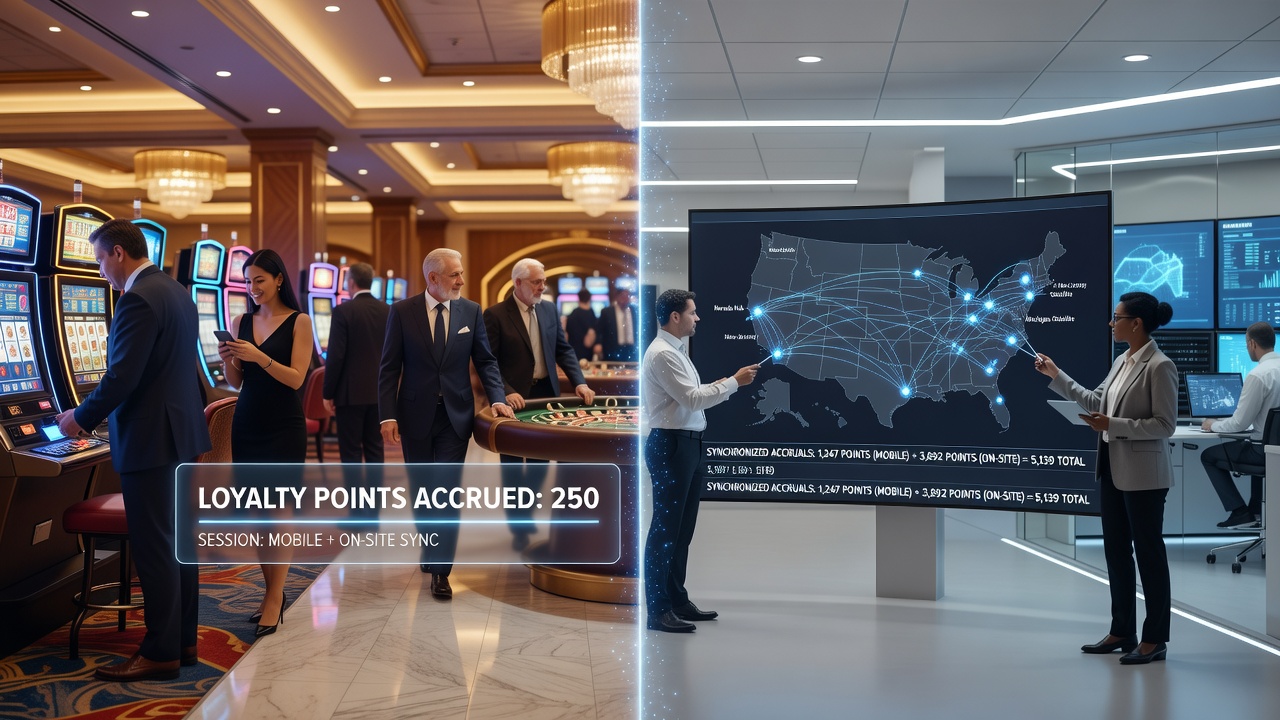
These implementations rely on partnerships with gaming technology firms that supply the necessary hardware and software modules, and the firms maintain separate instances of their platforms in each licensed jurisdiction to satisfy local data residency requirements. Observers note that the technical architecture allows chains to apply consistent earning formulas even when state regulations differ on maximum bet limits or game approvals.
Regulatory and Compliance Considerations
State gaming control boards require operators to demonstrate that loyalty point calculations remain consistent across channels, and they conduct periodic reviews of the underlying algorithms to confirm adherence to approved rules. According to records maintained by the Nevada Gaming Control Board, multi-state licensees must submit detailed system architecture diagrams that map every data path between mobile servers and on-site terminals before receiving approval for synchronized programs. Similar documentation standards exist in additional jurisdictions, and operators coordinate submissions across agencies to avoid conflicting compliance demands.
Chains also address data privacy statutes that vary by state, and they implement encryption and access controls that meet the strictest applicable standards while still allowing real-time point updates. Figures released by the Alcohol and Gaming Commission of Ontario highlight how cross-border operators adapted their Canadian-facing systems to align with U.S. state requirements during joint ventures, and those adjustments produced measurable reductions in reconciliation errors.
Developments Anticipated by July 2026
Several chains have announced plans to expand synchronized accrual features to additional mobile game types by July 2026, and these expansions include live dealer sessions and certain tournament entries that previously operated under separate tracking protocols. Regulatory filings indicate that the updates will incorporate new verification steps for identity confirmation across state lines, and the changes aim to support higher volumes of simultaneous users without latency in point posting. Industry reports project that the number of multi-state operators using fully synchronized platforms will increase as more jurisdictions finalize mobile gaming regulations.
Conclusion
Unified loyalty systems now form a standard component of operations at multi-state casino chains, and the synchronization of points earned through mobile sessions and on-site visits rests on integrated databases, real-time data transmission, and coordinated regulatory compliance. Continued technical refinements scheduled through 2026 will further align these channels while preserving the distinct requirements of each licensed market.