Regulatory Timelines Shaping Bonus Allocation in Cross-Border Digital Table Environments
Written by Gisela Peters · May 27, 2026
Regulatory Timelines Shaping Bonus Allocation in Cross-Border Digital Table Environments
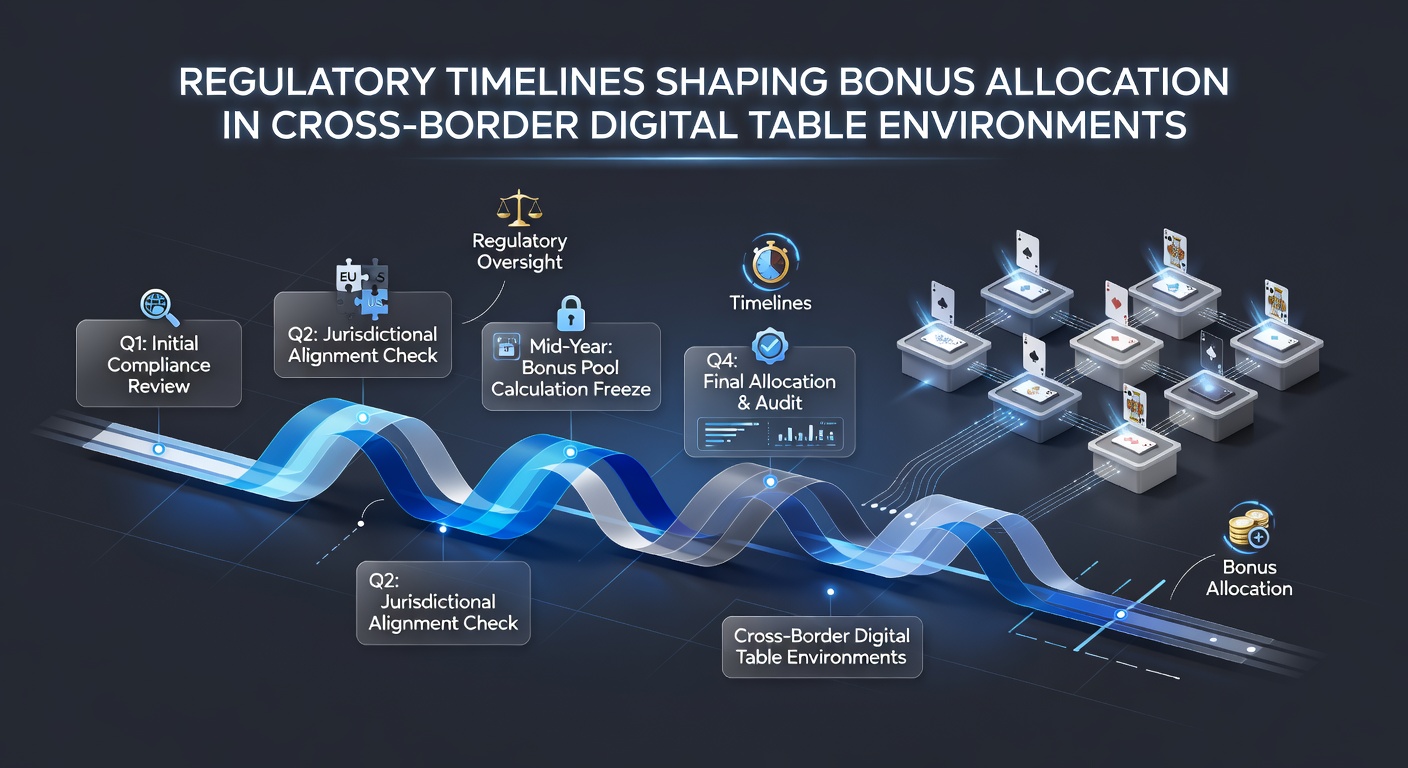
Digital table environments that span multiple jurisdictions operate under layered regulatory schedules where bonus allocation follows strict calendar windows set by licensing authorities, and operators must align player incentives with these fixed periods to maintain compliance across borders. Platforms handling games like blackjack and roulette track these dates because missing a window can freeze promotional credits until the next cycle begins.
Key Jurisdictional Timelines and Their Effects
European operators licensed under the Malta Gaming Authority coordinate bonus releases with quarterly reporting deadlines that fall on the last business day of March, June, September and December, while Canadian frameworks managed through iGaming Ontario require monthly submissions that reset allocation permissions on the first of each month. This creates staggered availability for players moving between regions, and cross-border accounts often see bonus credits appear or disappear based on which regulator's calendar governs the session at login.
Research from the Australian Communications and Media Authority shows that synchronized reporting periods reduce administrative overlap for multi-license holders, yet they also force platforms to maintain separate bonus ledgers that update at different intervals depending on player location data. Those intervals directly influence when welcome packages, reload offers and table-specific loyalty rewards become active in a user's account.
Cross-Border Data Sharing Requirements
Operators exchange player eligibility information through secure regulatory portals that open on predetermined dates, and these portals determine whether a bonus earned in one market can transfer when the same player accesses tables from another jurisdiction. Data exchange windows typically span five business days after each reporting deadline, giving platforms limited time to reconcile balances before new allocation rules apply. Studies conducted by the University of Nevada, Las Vegas gaming research group indicate that delays in these exchanges account for most instances where cross-border bonuses fail to appear as expected.

Implementation Patterns Observed in 2025-2026
Platforms began adjusting bonus engines in late 2025 to accommodate a May 2026 update from the European Commission that introduces a unified digital services reporting cycle for remote table games. The change requires all participating operators to submit bonus allocation logs by the 15th of each month rather than the previous end-of-quarter schedule, and early adopters report smoother cross-border reconciliation as a result. Observers note that the shorter cycle allows faster detection of duplicated incentives that violate anti-money-laundering thresholds in more than one market.
North American regulators responded by aligning their own monthly resets with the European shift, creating a de facto global calendar for table game bonuses that operators now reference when designing promotional calendars. Take one major platform that adjusted its loyalty tier upgrades to trigger only after both the Ontario and Maltese reporting dates had passed, ensuring the same player could not claim overlapping rewards within a single 30-day window.
Practical Consequences for Operators and Players
Bonus allocation engines now incorporate calendar APIs that pull live regulatory deadlines from multiple government databases, and these systems prevent credits from posting until the correct jurisdiction window opens. Players crossing borders during a closed period see offers marked as pending rather than active, which reduces disputes once the timeline advances. Industry reports compiled by the International Association of Gaming Regulators document fewer compliance violations after platforms adopted automated timeline checks, particularly in markets where table game bonuses carry higher wagering multipliers than slot promotions.
Those who manage cross-border portfolios often schedule major table tournaments to coincide with open allocation periods, maximizing participation while staying inside regulatory boundaries. The approach has become standard because it aligns marketing spend with the exact dates when bonus funds can legally reach eligible accounts.
Conclusion
Regulatory timelines continue to dictate the pace and reach of bonus allocation in cross-border digital table environments, with operators relying on synchronized reporting cycles to stay compliant across regions. As the May 2026 European updates take effect and North American authorities maintain parallel monthly resets, platforms will keep refining their systems to match these fixed windows. The result is a predictable framework where bonus availability follows clear calendar rules rather than discretionary operator decisions.