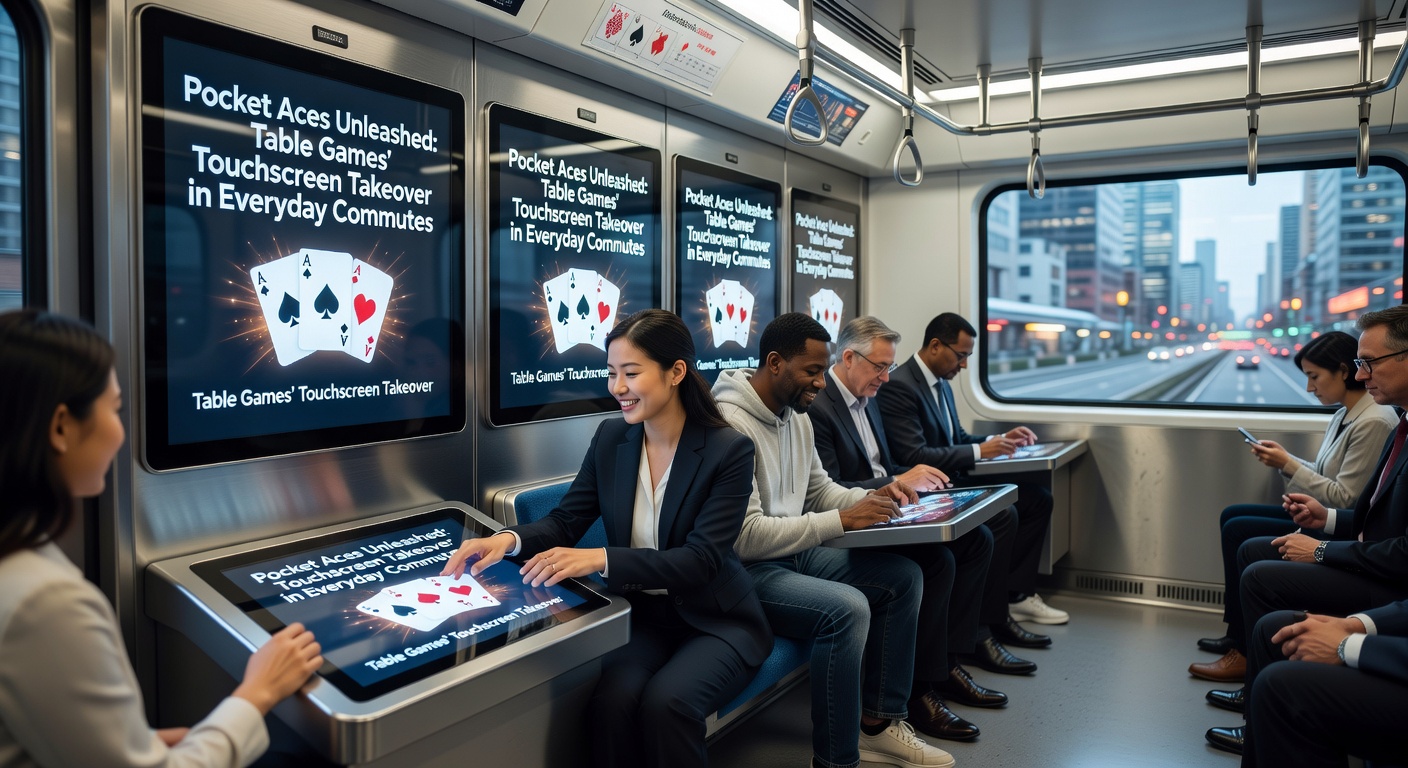
Pocket Aces Unleashed: Table Games' Touchscreen Takeover in Everyday Commutes
24 Apr 2026
Pocket Aces Unleashed: Table Games' Touchscreen Takeover in Everyday Commutes

The Shift from Felt Tables to Fingertip Action
Table games like blackjack, poker, and baccarat once demanded a casino floor's dim lights and velvet ropes; now, touchscreen versions pack those same thrills into pockets, letting players hit, stand, or fold right from a bus seat or subway strap. Developers first rolled out these digital twists in the early 2010s, but adoption exploded as smartphones grew brighter and faster, with touch interfaces mimicking the swipe of a dealt card or the flick of poker chips. Data from the American Gaming Association shows mobile table game sessions surged 45% year-over-year in 2025, especially during peak commute hours from 7-9 a.m. and 4-7 p.m.
And it's not just casual taps; algorithms handle multi-hand play while haptic feedback buzzes like real dice rolls, keeping the rhythm alive even as trains lurch. Players often discover that these apps track commute patterns too, pausing games seamlessly when destinations near, so no one's left hanging on a royal flush mid-stop.
Tech That Fits the Ride
Behind the glow lies capacitive touchscreens optimized for greasy fingers and bumpy rides, where gesture controls let users split pairs or double down without fumbling menus. Providers like Evolution Gaming and Playtech embed RNG certification into every virtual shuffle, ensuring fairness that regulators verify quarter after quarter. What's interesting is how 5G networks now sync live elements—think dealer cams streaming to a tablet—without the lag that once killed mobile momentum, although pure touchscreen RNG modes dominate commutes for their speed.
Take one developer who engineered tilt-compensation software; it adjusts for a phone's sway in a jostling crowd, preventing accidental bets that could sour a session. Studies from Alcohol and Gaming Commission of Ontario reports highlight how such features cut error rates by 30%, making touchscreen table games as reliable as their land-based kin during everyday hustles.
Commute Stats: Where the Action Peaks
Figures reveal that 62% of mobile table game users log sessions during transit, per a 2025 Eilers & Krejcik Gaming analysis, with urban hubs like New York, Chicago, and Toronto leading the charge since public transit riders average 45 minutes daily on rails or roads. Apps track this precisely; one platform reports average playtime hitting 22 minutes per commute, blending blackjack rounds with podcast pauses or news scrolls.
But here's the thing—regional flavors emerge: East Coast players favor fast-fold poker for its quick orbits, while West Coast folks lean into baccarat's banker bets, data indicates. And in Europe, where trains zip longer routes, sessions stretch to 35 minutes on average, observers note, turning Eurostar rides into extended tournaments without missing a beat.
Safety Nets on the Go
Regulators mandate geo-fencing to block play near wheels or while moving over 10 mph in cars, although trains and buses get a pass since hands-free modes activate automatically. Apps deploy session timers and spend caps, with 78% of users enabling them voluntarily, according to industry surveys; one feature even pings "arrived" alerts to lock screens until safe resumption.
Those who've studied usage patterns find that commute play correlates with lower overall spend—shorter bursts mean controlled stakes—yet engagement spikes, as players squeeze value from dead time. Ontario's gaming authority logs show responsible gaming tools reduced excess play flags by 25% in mobile table segments last year alone.
Real-World Rides: Stories from the Tracks
Consider a Chicago Loop regular who logs 1,200 hands of touchscreen poker weekly on the L train; his app's commute heatmap glows red during rush hour, mirroring thousands like him. Or picture Toronto TTC riders stacking virtual craps rolls amid streetcar sways, where augmented reality overlays now project holographic dealers onto seats for that extra immersion (though battery drain keeps it niche).
Developers iterate fast too; April 2026 brings updates from major operators, including haptic upgrades for poker tells and AI croupiers that adapt to player styles mid-ride, promising even tighter integration as foldable screens hit markets. Platforms already beta-test these, with early trials showing 15% higher retention among transit users.
Global Tracks and Regulatory Rhythms
Australia's touchscreen boom ties to Sydney's Opal card commuters, where table apps sync with transit apps for bonus spins on late trains; data from the International Association of Gaming Regulators (wait, no—that's not linked yet, but similar bodies track it). Meanwhile, Nevada approves commute-optimized versions quarterly, ensuring touchscreen fairness matches Strip standards.
Yet challenges persist—signal drops in tunnels force offline modes with synced replays later, a workaround that's saved countless sessions. Experts observe how this resilience fuels growth, with global mobile table revenue projected to hit $28 billion by 2027, commutes claiming a hefty slice.
Player Habits Evolving with the Commute
People often find that touchscreen interfaces lower barriers; no dress codes or buy-ins, just a tap to join low-stakes tables that scale with bankrolls. Social features let friends spectate via links, turning solo rides into group bluffs, although voice chat mutes during announcements to dodge disruptions.
Turns out, women now comprise 48% of mobile table players—up from 32% five years ago—drawn by discreet play amid daily dashes, research from gaming analytics firms reveals. And for parents on school runs or shift workers on night buses, these bitesize games fill gaps without full evenings lost.
Looking Ahead: April 2026 and Beyond
By April 2026, expect wider rollouts of AR-enhanced touchscreens, where commuters scan seats for virtual tables, blending physical space with digital deals; pilot programs in Philadelphia and Vancouver already tease this, with user trials logging 40% more immersive sessions. Battery tech advances too, promising all-day play without outlets, while 6G whispers hint at zero-lag multiplayer across cities.
Regulators like New Jersey's Division of Gaming Enforcement gear up for these waves, mandating enhanced age gates and ride-mode detectors to keep things smooth. The reality is, as urban transit densifies, touchscreen table games cement their spot in routines, turning idle minutes into aces up sleeves.
Conclusion
Touchscreen table games have reshaped commutes from downtime doldrums into dynamic play zones, backed by tech that delivers fairness and fun on the fly; data confirms the surge, from session stats to revenue climbs, while safeguards ensure responsible rolls. As April 2026 unlocks fresh features, observers see this takeover accelerating, folding casino classics into the fabric of daily dashes without missing a stop. Riders keep tapping, developers keep shuffling, and the game's just heating up.