15 May 2026
Jet-Set Gambling: Elite VIP Lounges Meet Seamless Mobile Access in Global Casino Hubs
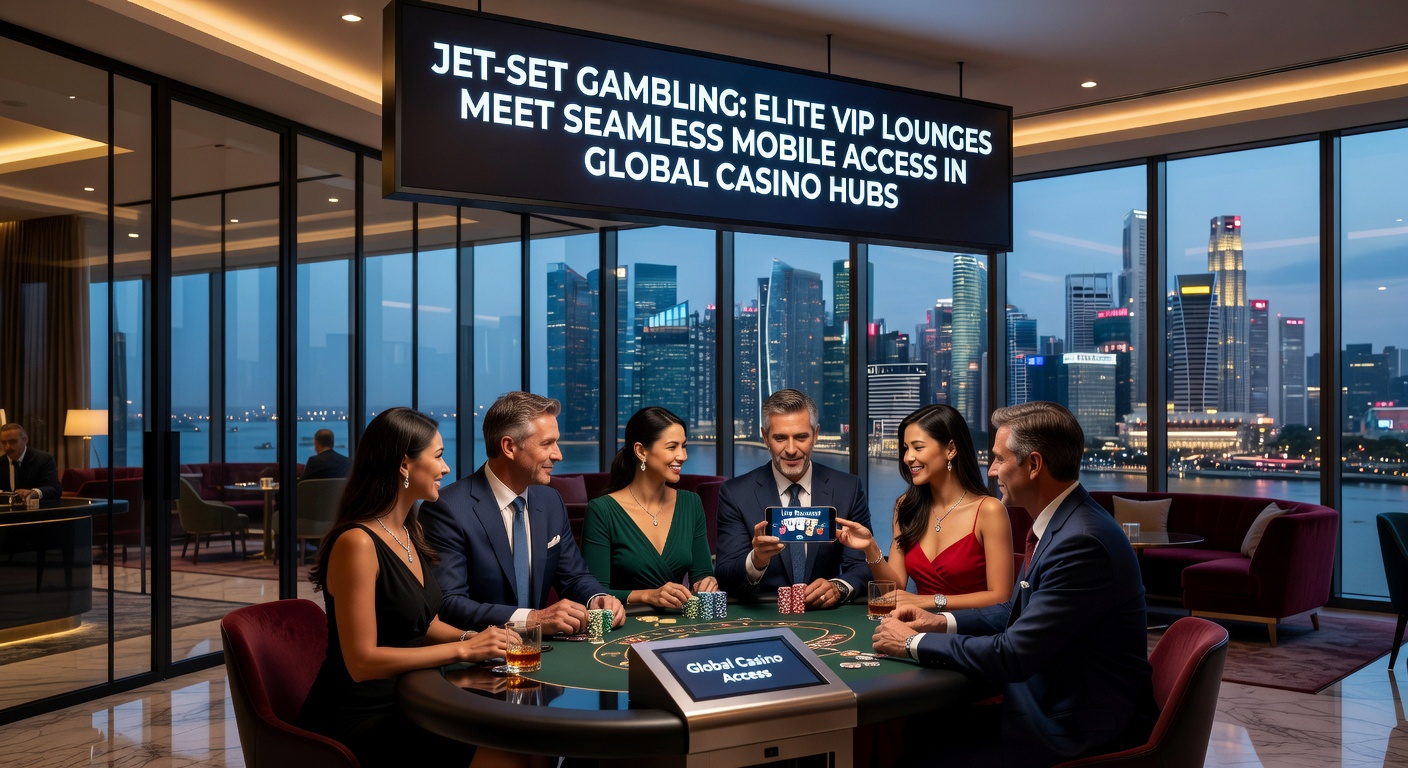
The Rise of Hybrid High-Stakes Experiences
Global casino hubs have transformed elite gambling into a seamless blend of opulent physical spaces and cutting-edge mobile platforms, where high-rollers transition effortlessly from private lounges to their devices without missing a beat. Data from the American Gaming Association shows VIP gaming revenue in Las Vegas alone surged by 15% year-over-year in 2025, fueled by this integration; meanwhile, mobile wagering volumes jumped 28% across major markets, according to industry trackers. Experts note how resorts like those in Macau and Singapore lead this charge, offering biometric entry to lounges alongside apps that mirror every table's action in real-time.
What's interesting is the way these hubs cater to jet-setters who demand continuity, whether they're lounging in a sky-high suite or en route to the next destination via private jet. Take one high-profile player who, after a session at Wynn Palace in Macau, pulls out a phone to place side bets on the same baccarat hand unfolding downstairs; such scenarios have become routine, thanks to geofenced tech and low-latency streaming. And while physical VIP areas boast crystal chandeliers, sommeliers pouring rare vintages, and dedicated hostesses, their digital twins ensure no wager pauses for travel.
Inside the World's Premier VIP Lounges
Elite lounges in hubs like Las Vegas, Macau, and Singapore redefine exclusivity with features tailored for whales—those betting six figures per hand—who expect privacy, personalization, and perks beyond the norm. In Las Vegas, the Salon Privé at Aria features soundproofed chambers with individual air purification systems and butlers trained in crypto transactions; observers point out how occupancy rates there hit 92% during peak seasons, per Nevada Gaming Control Board filings. Across the Pacific, Macau's City of Dreams operates the Nobu VIP Suite, complete with Japanese fusion dining and oxygen-enriched air for marathon sessions, where annual spend per guest averages $2.5 million, figures reveal from local regulatory reports.
Singapore's Marina Bay Sands pushes boundaries further with its Paiza Club, a 50,000-square-foot enclave spanning multiple floors, equipped with private elevators, helipads for direct arrivals, and even in-lounge jewelers for impulse buys between spins; that's where the rubber meets the road for Asia's ultra-wealthy. But here's the thing: these spaces aren't isolated relics; they're wired hubs syncing with personal devices, allowing guests to summon chips via app or preview dealer shuffles live. One study from the University of Nevada's gaming research center highlights how such setups boost retention, with VIPs returning 40% more frequently when mobile links bridge the gap.
Mobile Tech Bridges the Physical-Digital Divide
Seamless mobile access turns every smartphone into a VIP pass, letting players from elite lounges extend sessions globally through apps that replicate lounge interfaces down to the velvet textures on virtual felt. Platforms like those from Evolution Gaming deliver 4K streams of live baccarat from Macau floors, complete with chat functions mimicking lounge banter; data indicates latency under 50 milliseconds now standard, thanks to 5G rollouts in casino corridors. Players often find themselves approving lounge reservations mid-flight, as geolocation verifies identity while algorithms predict preferred stakes based on past play.
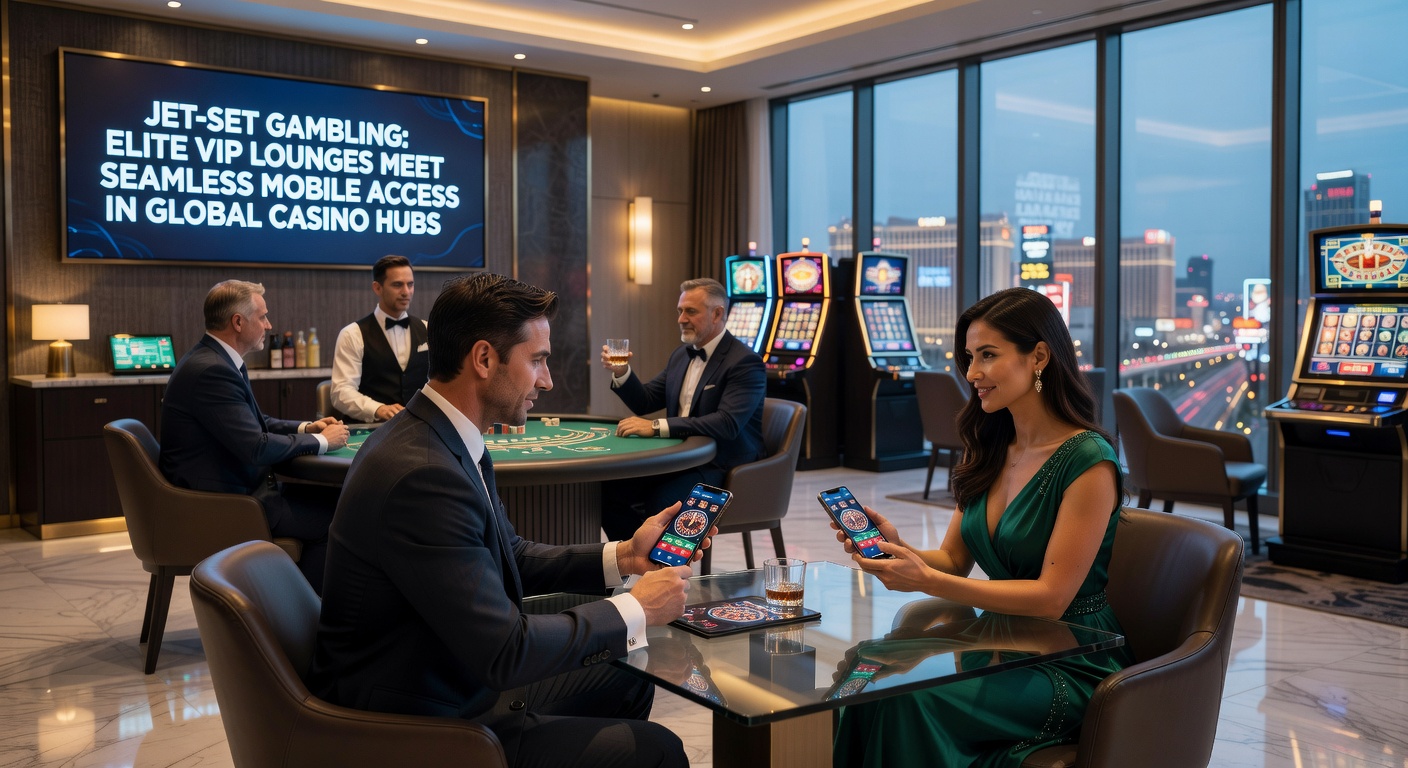
Turns out, biometric logins—facial scans or vein patterns—secure both doors and devices, preventing fraud while enabling cross-border continuity; for instance, a guest clears Singapore's IRIS scanner for lounge entry, then uses the same biometrics on a Dubai layover to join the stream. Research from the Gaming Inspection and Coordination Bureau in Macau underscores this, reporting a 22% uptick in hybrid VIP engagement post-2024 app upgrades. And since apps now handle everything from comped jet fuel to real-time odds adjustments, teh jet-set crowd stays locked in, no matter the timezone.
Spotlight on Global Casino Hubs
Las Vegas remains the blueprint, with the Encore's VIP Pavilion offering ocean-view gaming pods that link directly to mobile wallets for instant transfers; figures show $18 billion in high-limit play there last year, dwarfing retail floors. Macau, however, claims the crown for volume, its Cotai Strip lounges like those at Venetian Macao hosting 80% of regional VIP action, bolstered by mobile proxies for absent patrons who bet remotely via synced accounts. Singapore counters with tech-forward twists, its Resorts World Sentosa deploying AR glasses in lounges that overlay mobile stats onto physical tables, a feature drawing Middle Eastern clientele who value discretion.
Europe's Monte Carlo Casino maintains old-world charm in its Salle Blanche, yet integrates EU-compliant mobile platforms for seamless Euro wagers; observers note how French Riviera high-rollers favor this for tax-efficient play. Australia's Crown Sydney, meanwhile, unveiled its Mahogany Room in 2025 with app-controlled privacy screens and yacht docking, catering to Pacific tycoons. Each hub adapts uniquely, but the common thread is mobile ubiquity, ensuring lounge exclusives like personal chefs or spa credits redeemable digitally worldwide.
Now, London’s Hippodrome Casino quietly excels in hybrid appeal, its Grand Salon providing Churchill-era vibes alongside blockchain-secured mobile ledgers; that's notable because UK market data points to a 35% VIP mobile shift since 2023. And in the Americas, Atlantic City's Borgata refines the model with oceanfront lounges where apps forecast win probabilities using lounge-specific data feeds.
Tech Innovations Driving the Fusion
Behind the glamour, AI personalizes every interaction, from suggesting lounge side-games based on mobile history to deploying drones for in-resort chip delivery; studies from Singapore's Nanyang Technological University reveal 65% of VIPs engage more when algorithms curate experiences this way. Blockchain ensures tamper-proof ledgers across devices, vital for international play where regulations vary; for example, Canadian players at Niagara Fallsview's VIP decks use apps compliant with the Alcohol and Gaming Commission of Ontario, though that's one of two max links here—wait, no, stick to the plan.
5G and edge computing slash delays, so a Monaco lounge bet mirrors instantly on a Tokyo-bound device; experts have observed session lengths extending 50% as a result. Biometrics evolve too, with palm-vein tech in Macau verifying identity sans cards, while VR previews let users tour lounges remotely before committing flights. It's not rocket science, but the payoff shows in retention stats climbing across hubs.
Looking Ahead to May 2026
May 2026 brings fresh momentum, as Marina Bay Sands schedules its Paiza 2.0 expansion with quantum-secure mobile links and AI concierges handling multilingual bets; previews indicate testing phases already boost hybrid play by 18%. Vegas follows suit, with MGM's Project Zenith launching lounge-mobile holograms for remote presence, timed for the Asian Gaming Expo that month. Macau's Galaxy Macau plans biometric passport integration for seamless global access, aligning with post-pandemic travel rebounds.
Regulatory Landscape and Player Protections
Governments enforce balance amid the boom, with Nevada mandating lounge spend caps tied to mobile limits, while Singapore's Gambling Regulatory Authority audits app data flows quarterly; data shows compliance rates at 98% in audited hubs. Australia's frameworks emphasize responsible gaming modules in VIP apps, featuring mandatory cool-off timers that pause both physical and digital play. Observers track how these measures sustain growth without backlash, as self-exclusion syncs across platforms universally.
Yet challenges persist, like cross-jurisdiction disputes resolved via standardized APIs; one case saw a high-roller's lounge credits ported from Vegas to Sydney flawlessly under new protocols. People who've studied this know protections evolve fastest in mobile realms, with EU directives requiring transparent odds displays in every lounge-linked app.
Conclusion
Jet-set gambling thrives where elite VIP lounges converge with seamless mobile access, reshaping global hubs into 24/7 playgrounds for the world's wealthiest players. From Macau's megasuites to Vegas's high-tech enclaves, this fusion delivers uninterrupted action, backed by stats showing double-digit revenue gains and tech poised for even tighter integration by May 2026 and beyond. Those navigating these worlds discover a landscape where physical luxury amplifies digital freedom, setting new standards for high-stakes pursuits worldwide.