How Biometric Authentication Systems Streamline Entry Protocols at High-Stakes Gaming Venues Across Continents
Written by Ines Neumann · Jun 10, 2026

How Biometric Authentication Systems Streamline Entry Protocols at High-Stakes Gaming Venues Across Continents
High-stakes gaming venues have adopted biometric authentication systems to verify identities at entry points and this approach reduces wait times while meeting regulatory requirements in multiple jurisdictions. Systems relying on facial recognition, fingerprint analysis, and iris scanning connect directly to centralized databases that hold player profiles, licensing records, and security flags, so staff can process arrivals without repeated manual checks.
Core Technologies Driving Entry Efficiency
Venues in North America, Asia, and Europe integrate multimodal biometric readers that capture several traits simultaneously, and this layered verification cuts false positives that single-method systems often produce. Data from operational reports shows that average entry processing drops from several minutes to under thirty seconds once profiles are enrolled, because the software matches live scans against encrypted templates stored on secure servers. Observers note that these platforms also flag individuals on exclusion lists in real time, which helps operators comply with responsible gaming mandates without additional paperwork at the door.
Implementation Patterns in Major Markets
Macau casinos began rolling out facial recognition gates in the mid-2010s to handle large volumes of high-roller traffic, and the technology has since expanded to Singapore and Australia where similar systems now link to national identity registries. In the United States, properties in Nevada and New Jersey have paired biometric kiosks with player loyalty platforms, allowing pre-approved guests to bypass traditional ID presentation while the system cross-checks against state gaming commission records. Canadian facilities in Ontario and British Columbia followed suit after regulatory updates that permitted electronic identity confirmation, and reports indicate throughput at VIP entrances increased by more than forty percent within the first year of deployment.
Operational Benefits Across Time Zones
Because biometric templates travel with the guest profile rather than physical cards or documents, international players moving between venues in different continents experience consistent entry protocols. A guest enrolled at a Las Vegas property can pass through automated lanes in Macau once the hosting operator receives verified data-sharing agreements, and this interoperability reduces redundant enrollment steps that previously slowed arrivals. Research indicates that venues using these networks report lower staffing needs at registration desks during peak hours, freeing personnel for floor supervision instead of repeated identity checks.
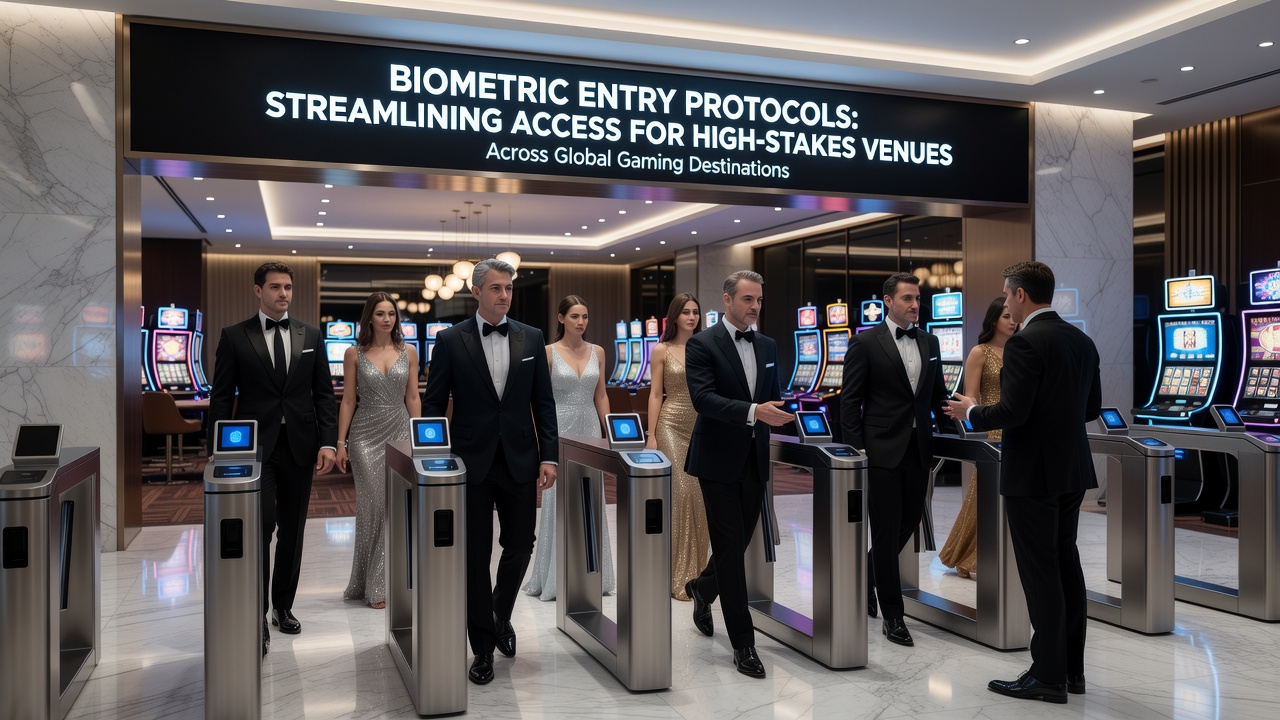
June 2026 marks the scheduled groundbreaking for several expansions tied to existing biometric infrastructure, including projects that will connect new high-limit rooms to existing global databases so that returning players encounter the same streamlined process. Operators have already begun testing portable readers that sync with resort loyalty programs, and preliminary figures show reduced queue lengths even during large tournament weekends when visitor numbers spike.
Security Integration and Regulatory Alignment
Biometric entry systems feed directly into broader surveillance networks that track movement within the property, yet they also satisfy data-protection rules by storing only mathematical representations rather than raw images. According to guidelines from the Nevada Gaming Control Board and parallel frameworks in Australia, operators must maintain audit logs of every authentication event, which the software generates automatically and stores for required retention periods. This built-in record keeping eliminates separate compliance reporting steps that once required manual compilation.
European venues operating under data-protection directives have implemented consent modules that let guests choose which biometric traits they share, and the same platforms allow instant revocation if a player opts out later. Those configurations keep operations aligned with local statutes while preserving the speed advantages that biometric lanes provide over traditional document checks.
Future Expansion and Interoperability Trends
Industry associations tracking technology adoption expect further standardization of biometric data formats, which would let more venues participate in cross-border verification networks without custom integrations. Academic studies examining pilot programs in Asia and North America highlight that error rates continue to decline as algorithms train on larger, more diverse datasets collected during routine operations. Venues planning openings or renovations after 2026 are already specifying biometric hardware in their architectural designs so that entry protocols launch fully integrated rather than retrofitted later.
Conclusion
Biometric authentication has become a standard component of entry management at high-stakes gaming venues worldwide because it connects identity verification, security screening, and regulatory compliance into a single automated workflow. As more properties link their systems through secure data exchanges and as hardware costs decrease, the same streamlined protocols are appearing at additional locations across continents, and June 2026 developments will extend those capabilities to new facilities still under construction.