Gesture-Based Navigation in Mobile Gaming Apps Bridges Players to Exclusive Physical Casino Events Worldwide
Written by Ines Neumann · Aug 26, 2026
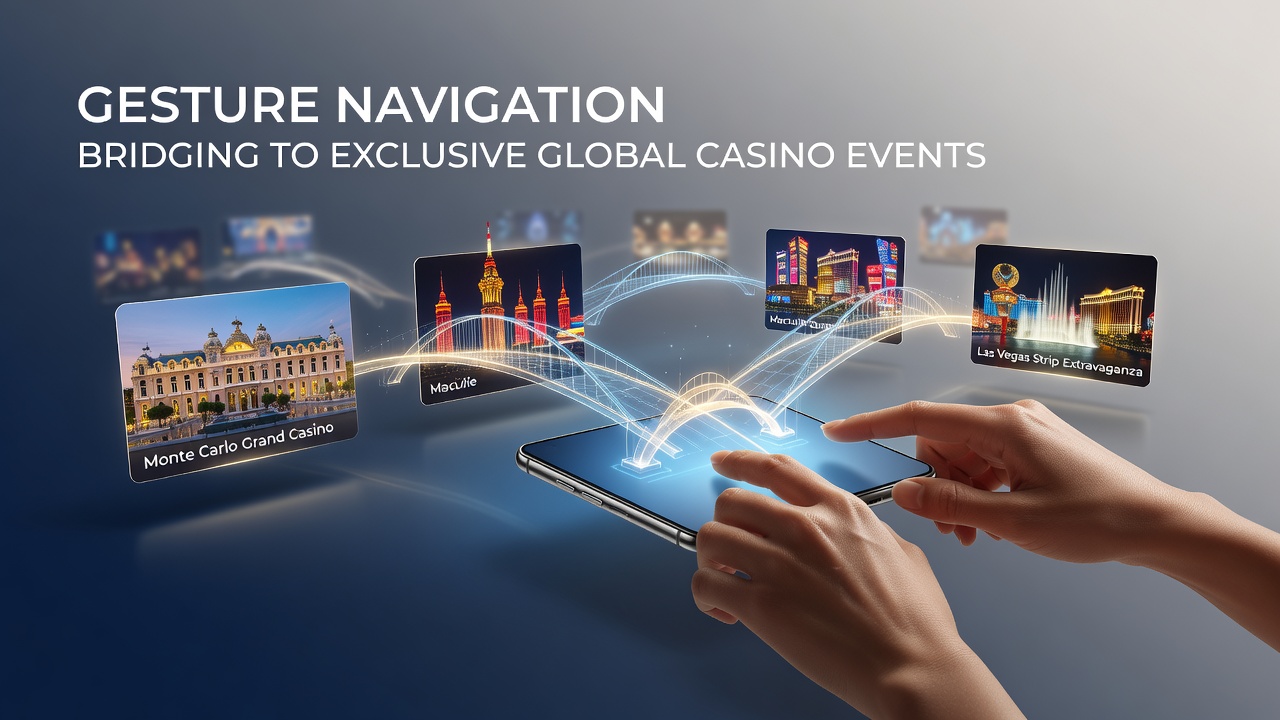
Gesture-Based Navigation in Mobile Gaming Apps Bridges Players to Exclusive Physical Casino Events Worldwide
Gesture-based navigation has moved from niche experiments into mainstream mobile gaming apps, where users swipe, tilt, and pinch their way through virtual tables and slots that mirror real casino environments, and these interactions now feed directly into invitation systems for physical events at resorts across multiple continents.
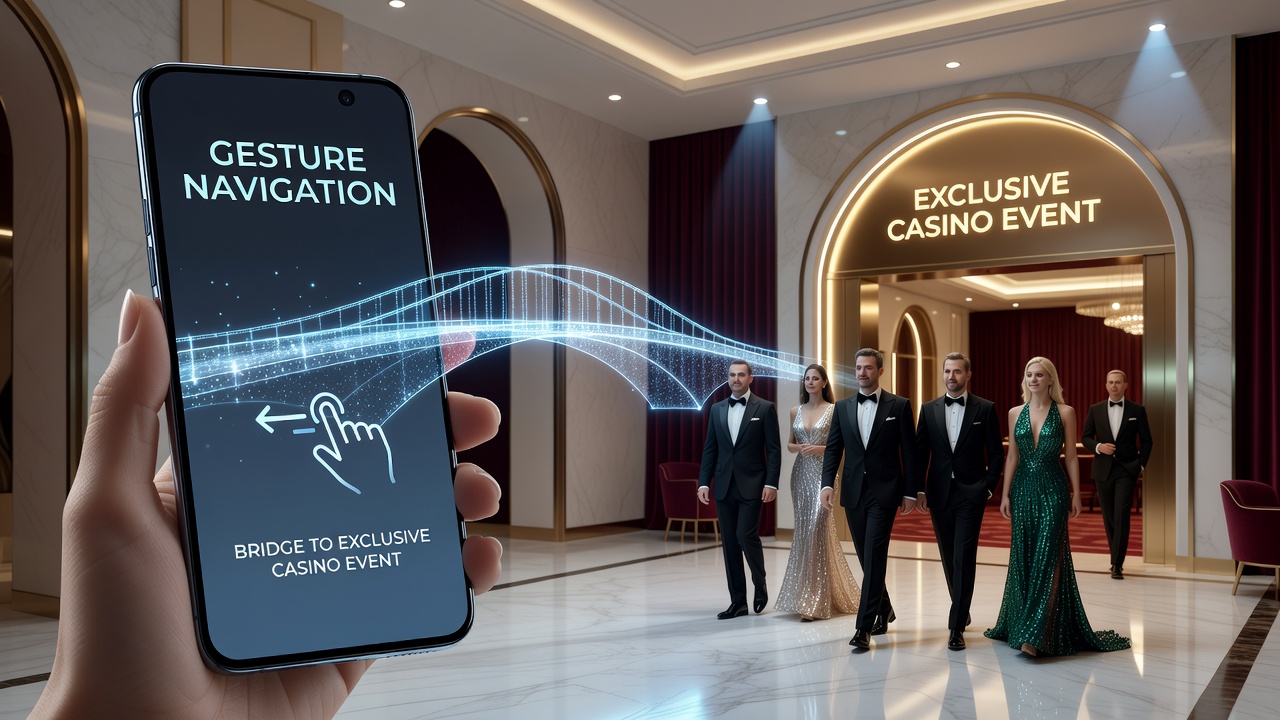
Developers integrate motion sensors and touch patterns to let players manipulate cards or spin reels without traditional buttons, while backend algorithms track completion rates and skill indicators to flag accounts for exclusive access codes that unlock entry to invitation-only tournaments and VIP gatherings.
Mechanics Behind the Bridge
Apps employ accelerometers and gyroscope data to translate physical phone movements into game actions, such as tilting left to draw a card or rotating the device to shuffle virtual decks, and these same metrics get logged alongside session duration and accuracy scores that determine eligibility for real-world promotions. Studies from gaming research groups show that gesture systems increase session times by measurable margins compared with button-only interfaces, because players engage more repeatedly when the controls feel intuitive and responsive.
One developer case in North America revealed that users who mastered a sequence of three-finger pinches to place bets received priority notifications for events at destination properties in Las Vegas and Atlantic City, turning daily app practice into pathways toward live competitions with travel packages attached.
Global Event Connections
Resorts in Macau, Singapore, and European gaming districts have partnered with app platforms to convert digital milestones into physical attendance, where a player completing a gesture-driven poker challenge might receive a code for a private high-stakes table at an upcoming gathering. Data from industry tracking services indicate that such linkages have expanded participation from mobile users into destination events by double-digit percentages in recent reporting periods, particularly when apps highlight upcoming dates tied to specific achievements.
In August 2026 several platforms plan synchronized rollouts that align gesture milestones with openings at new integrated resorts in the Asia-Pacific region, allowing top performers to secure seats at limited-capacity tables without separate registration queues.
Regional Examples and Data Patterns
Canadian operators have tested similar systems that reward gesture proficiency with access to seasonal events at properties in Niagara Falls, where accumulated in-app scores translate into complimentary transport and lodging. Meanwhile Australian venues report parallel programs that link swipe accuracy in mobile blackjack to entry for exclusive evenings at Crown properties, supported by figures released through state gaming authorities.
European trade associations document how gesture interfaces reduce onboarding friction for new users, which in turn feeds higher conversion rates into loyalty programs that include physical travel rewards. Observers note that these patterns hold across different regulatory frameworks, because the underlying sensor technology remains consistent regardless of jurisdiction.
Take one platform that introduced tilt-based roulette in 2024 and saw its user base generate enough qualified leads to fill multiple charter flights to partner events in Monte Carlo the following year, illustrating how digital repetition scales into offline gatherings without additional marketing spend.
Future Integration Points
Hardware upgrades in upcoming phone models promise finer motion detection that could refine gesture precision further, allowing developers to create more complex sequences that mirror advanced table strategies, and those refinements stand to tighten the connection between app performance and physical event invites. Research papers from university labs have begun examining how sustained gesture practice correlates with faster adaptation to live dealer environments once players arrive on site.
Payment and verification layers already embedded in many apps streamline the transition, because identity checks completed during mobile play carry over to resort check-in protocols, cutting administrative steps for verified high performers. Industry reports highlight that this continuity has become a standard expectation among operators seeking to blend remote and on-site audiences.
Conclusion
Gesture navigation therefore functions as both gameplay mechanic and selection filter, channeling dedicated mobile users toward curated physical experiences at venues worldwide through data-driven qualification rather than traditional marketing channels, and continued sensor improvements plus expanding resort partnerships point toward broader adoption of this model in coming cycles.