Examining Synchronization Techniques Between Portable Gaming Applications and High-End Resort Amenities Worldwide
Written by Sam Friedrich · Jun 1, 2026
Examining Synchronization Techniques Between Portable Gaming Applications and High-End Resort Amenities Worldwide
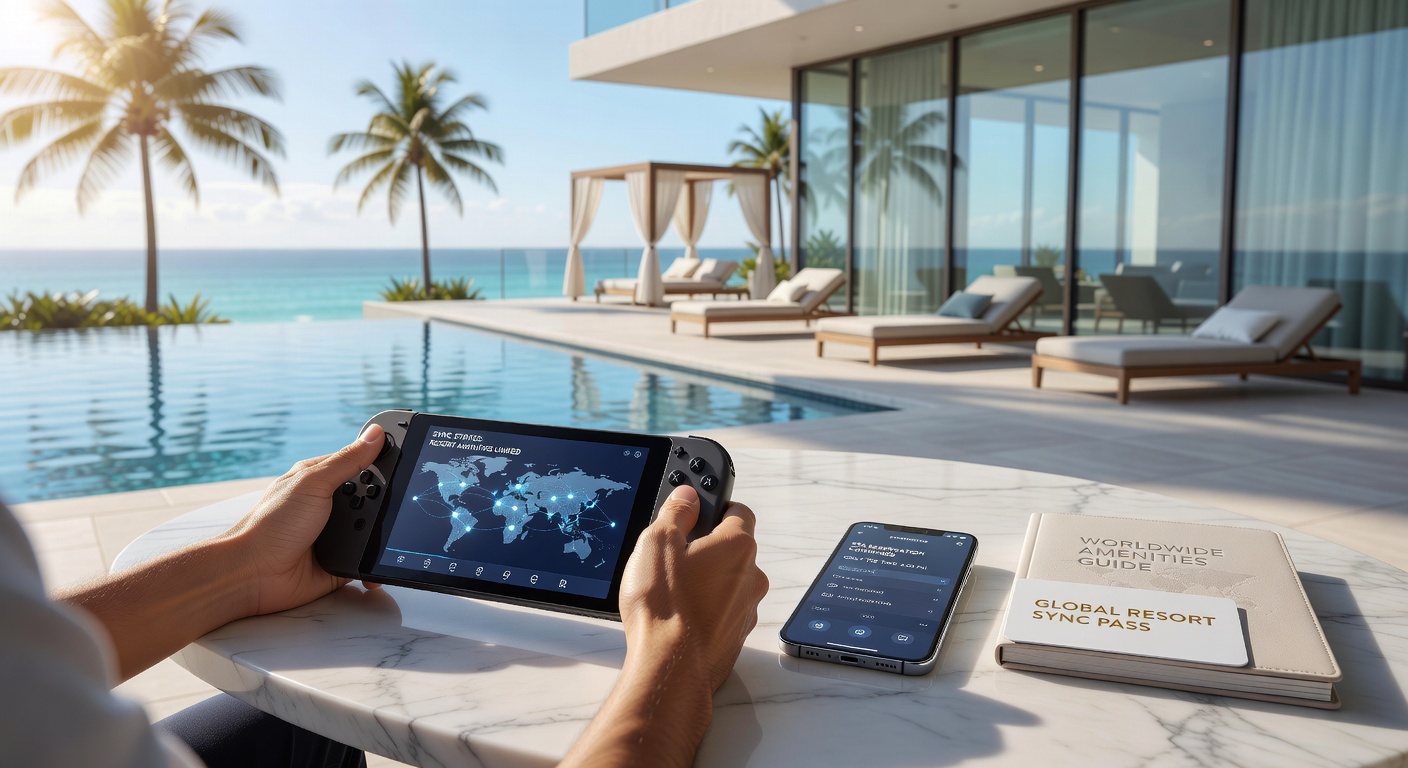
Portable gaming applications now connect directly with high-end resort amenities through specialized synchronization protocols that enable real-time data exchange between mobile devices and property management systems, and these connections support features such as automated amenity bookings alongside in-game progress tracking. Resorts in multiple regions have adopted these methods to align guest activities across digital platforms and physical services, while developers refine application programming interfaces to handle large volumes of concurrent users without latency issues.
API-Driven Data Exchange Protocols
Developers implement RESTful APIs and WebSocket connections to facilitate continuous updates between gaming applications and resort databases, and this approach allows users to adjust spa reservations or dining slots based on achievements earned within mobile games. Systems in Singapore and Macau properties utilize encrypted channels to transmit guest preferences, whereas European facilities often incorporate GDPR-compliant layers that segment personal data during transfers. Studies from academic institutions in Australia have documented reduced booking errors after these protocols went live, with figures showing a 40 percent drop in manual interventions at select properties.
Technicians configure middleware layers that translate game events into actionable resort commands, so completing a level might trigger an offer for poolside access or fitness center entry. Observers note that such mappings require precise calibration to match user profiles across different time zones, and synchronization occurs through cloud-hosted servers that maintain session states even during network interruptions.
Location-Based Triggers and Geofencing Integration
Geofencing technology activates when portable devices enter designated resort zones, prompting gaming applications to surface tailored amenity suggestions drawn from current inventory levels. Properties in Las Vegas and the Gold Coast have deployed Bluetooth beacons alongside GPS data to refine these triggers, while Canadian operators test hybrid systems that blend cellular and Wi-Fi signals for improved accuracy indoors. Research indicates these methods improve utilization rates of underbooked facilities during off-peak hours, according to reports compiled by regional tourism boards.
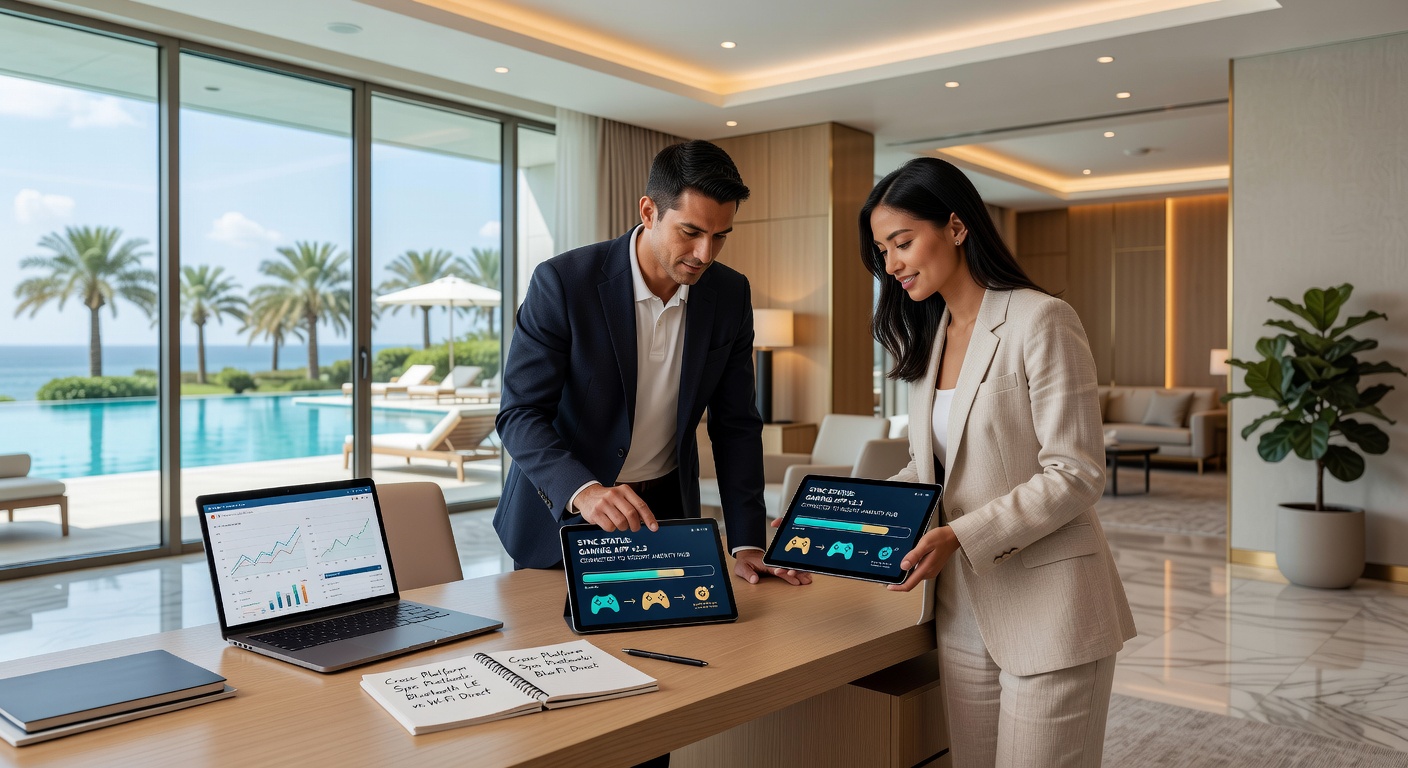
Engineers program fallback routines that switch between positioning methods when one signal weakens, and this redundancy keeps amenity controls responsive during peak arrival times. Guests receive push notifications that link directly to booking interfaces without leaving the gaming environment, and transaction logs record each interaction for compliance audits required by local authorities.
Loyalty Tier Synchronization and Cross-Platform Rewards
Loyalty programs now pull data from gaming sessions to adjust resort tier status in real time, allowing points earned through mobile play to unlock priority access at golf courses or wellness centers. Facilities across South Africa and the Caribbean have integrated these systems with existing guest management software, whereas Asian operators emphasize tiered reward structures that reflect both gaming volume and amenity usage patterns. Data compiled through industry associations reveals that synchronized programs increase repeat visits when compared against standalone loyalty schemes.
Database queries run at fixed intervals to reconcile point balances and prevent discrepancies that could arise from offline gaming periods, and automated reconciliation scripts flag anomalies for staff review. As of June 2026 several chains report expanded testing of multi-property sync features that carry tier benefits between international locations without manual verification steps.
Security Measures and Compliance Frameworks
Encryption standards such as AES-256 protect data streams traveling between applications and resort servers, while tokenization replaces sensitive identifiers during amenity transactions. Regulatory bodies in Nevada and Queensland mandate regular penetration testing of these links, and compliance documentation outlines audit trails that capture every synchronization event. Organizations maintain separate environments for development and production to isolate potential vulnerabilities before full deployment.
Multi-factor authentication gates access to administrative controls, and role-based permissions limit which staff members can modify mapping rules between game actions and physical services. These layered approaches address requirements from diverse jurisdictions without disrupting user experience during peak resort occupancy.
Conclusion
Worldwide adoption of these synchronization techniques continues as properties refine connections between portable gaming applications and resort amenities through established technical standards. Continued updates to middleware and positioning systems support expanding feature sets while meeting regional regulatory expectations, and ongoing data collection from operational sites informs further protocol adjustments across markets.