Echoes of Tradition: How Ancient Symbols Shape Icon Selection Processes in Reel Productions by Global Gaming Providers
Written by Ines Neumann · Jun 19, 2026
Echoes of Tradition: How Ancient Symbols Shape Icon Selection Processes in Reel Productions by Global Gaming Providers
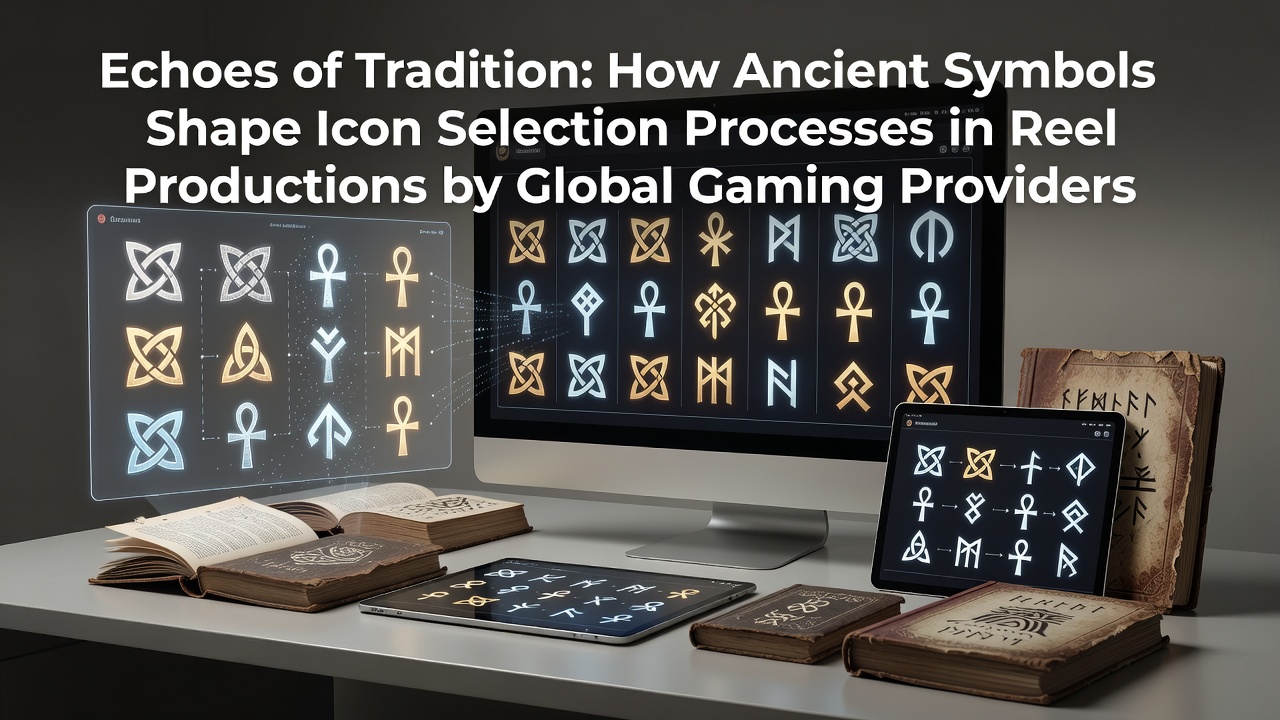
Global gaming providers integrate ancient symbols into reel icon designs through structured selection processes that draw from historical motifs across multiple cultures, and these choices influence both visual appeal and regulatory compliance in digital slot productions worldwide.
Historical Foundations in Symbol Adoption
Reel production teams at major providers examine archaeological records and cultural artifacts when identifying symbols for new games, incorporating elements such as Mesopotamian seals alongside Nordic runes because these patterns appear frequently in player engagement data from markets in Europe and North America. Researchers at institutions tracking gaming trends note that providers began scaling these references in the early 2000s as digital reels replaced physical mechanisms, allowing greater flexibility in layering multiple icon layers without mechanical constraints.
Selection protocols often start with database reviews of public domain imagery from museum collections, after which teams cross-reference symbols against player demographic reports to ensure cultural resonance while avoiding direct replication of protected trademarks. Data from industry reports compiled by the Canadian Gaming Association shows steady growth in titles featuring hybrid ancient motifs, with providers releasing dozens of such games annually across international platforms.
Icon Selection Protocols and Cultural Mapping
Production pipelines at companies operating in Asia and the Americas follow multi-stage approval sequences that combine ethnographic research with algorithmic analysis of symbol frequency in historical texts, and this approach helps teams balance authenticity against mechanical requirements like payline alignment. Observers note that icon grids must accommodate 3x5 or 6x4 reel configurations, which prompts designers to adapt elongated forms from ancient friezes into compact digital sprites.
Regulatory bodies in various jurisdictions require documentation proving that selected symbols do not promote restricted themes, so legal teams review each motif against guidelines issued by entities such as the Nevada Gaming Control Board. One study released through the International Center for Gaming Regulation at the University of Nevada tracked how these compliance checks extend development timelines by several weeks yet reduce post-launch modification requests.
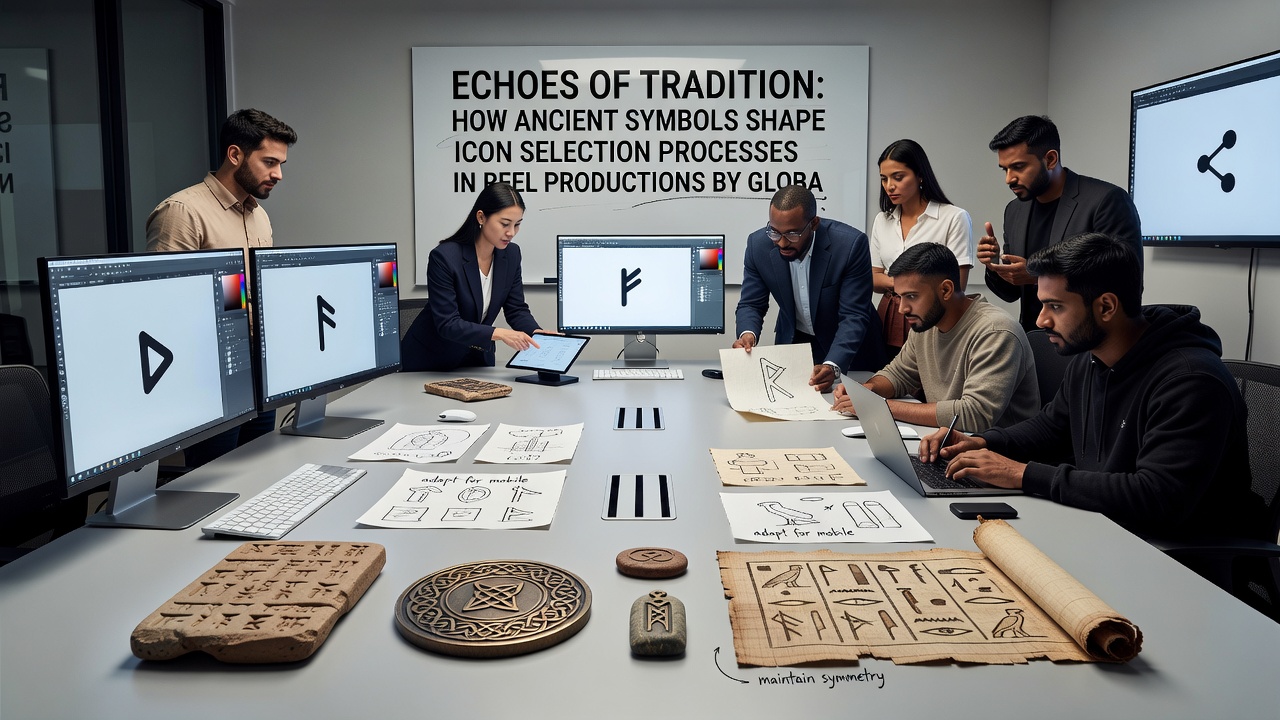
What's interesting is how providers incorporate feedback loops from regional testing markets before finalizing icon sets, and this practice reveals regional preferences such as stronger acceptance of zodiac-derived symbols in East Asian releases compared with Mediterranean themes in Mediterranean-facing platforms. Teams adjust color palettes derived from pigment analysis of original artifacts to maintain visual consistency across different screen resolutions.
Regional Variations and Production Timelines
European providers frequently reference Celtic and Greco-Roman iconography when targeting operators licensed in multiple EU member states, whereas Australian developers lean toward Indigenous Australian dot-painting styles blended with colonial-era symbols to meet local content expectations. These regional distinctions emerge during early concept phases when creative leads compile mood boards that map symbol origins to projected release territories.
June 2026 marks the scheduled rollout for several updated reel engines from providers preparing for new resort integrations, including projects tied to permanent facility openings that will feature custom icon libraries drawn from local historical archives. Production schedules align these launches with hardware refreshes at destination properties, allowing synchronized deployment across both land-based terminals and remote access versions.
Industry associations document how ancient symbol usage correlates with extended player session durations in aggregated telemetry, prompting continued investment in research partnerships with university anthropology departments. Those partnerships yield updated reference libraries that providers consult during quarterly icon audits to refresh aging game catalogs without full redesigns.
Technical Integration and Future Adjustments
Software frameworks used in reel rendering accommodate vector-based adaptations of ancient glyphs so that scaling across devices preserves proportional accuracy, and engineering teams validate these adaptations through automated testing suites that flag alignment issues before human review. Providers report fewer certification delays when symbols undergo preliminary geometric simplification during the mapping stage.
Global operators continue refining these processes as new markets open, incorporating data streams from mobile platforms that track symbol interaction rates separately from overall game metrics. Such granularity allows targeted swaps of individual icons without altering entire reel sets, shortening iteration cycles in competitive release windows.
Conclusion
Providers maintain detailed archives of symbol provenance to support ongoing compliance and creative consistency across reel productions, and these records inform decisions that link historical research directly to digital output specifications. The integration of ancient motifs remains a documented component of global gaming development rather than an incidental design choice, with measurable impacts on both regulatory pathways and platform deployment schedules through 2026 and beyond.