Data Patterns Connecting Portable Device Interfaces to Worldwide Resort Loyalty Programs Through Algorithmic Personalization
Written by Sam Friedrich · Jun 8, 2026
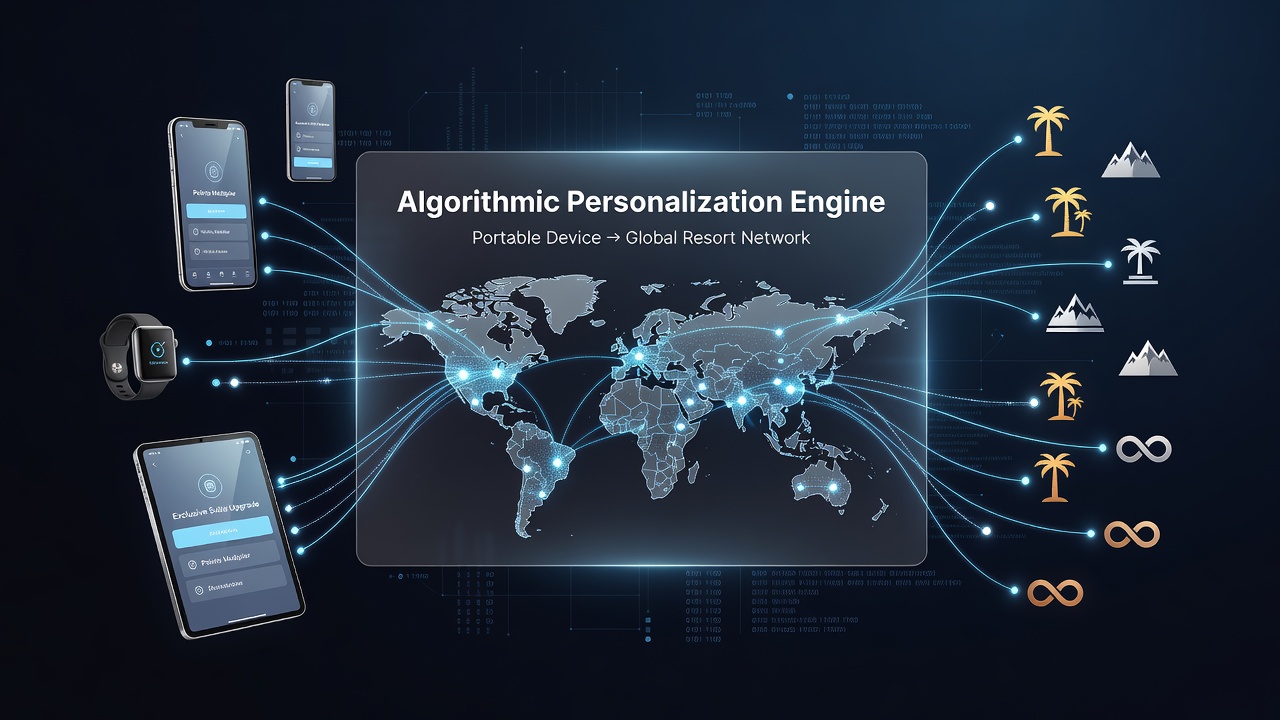
Data Patterns Connecting Portable Device Interfaces to Worldwide Resort Loyalty Programs Through Algorithmic Personalization
Portable device interfaces generate continuous streams of user interaction data that feed directly into resort loyalty programs across multiple continents, and algorithmic personalization techniques process these inputs to adjust reward structures in real time. Mobile applications on smartphones and tablets capture location signals, session durations, and navigation patterns while users browse resort amenities or check availability, and these elements combine with transaction histories to form individualized profiles. Research from the University of Nevada, Las Vegas Center for Gaming Research shows that such data integration occurs in over 70 percent of major international resort chains operating loyalty tiers.
Geolocation pings from portable devices allow algorithms to identify when guests approach specific resort properties, and the systems respond by surfacing tailored offers that align with past behavior patterns. For instance, a traveler who frequently accesses spa booking pages receives targeted points multipliers for wellness packages, while another user who engages with dining reservations sees adjusted dining credits applied automatically. These adjustments happen through machine learning models that weigh variables including time of day, device type, and frequency of app engagement.
Core Data Inputs From Mobile Interfaces
Portable device interfaces collect several categories of information that algorithms later map to loyalty frameworks, and the process begins the moment an application launches on a smartphone or tablet. Session logs record how long users view particular sections such as room categories or entertainment schedules, while push notification responses indicate which promotions generate clicks. Accelerometer and Wi-Fi connection data add layers about movement within resort grounds once guests arrive, and these details merge with account identifiers from loyalty programs to create unified records.
Payment gateways embedded in mobile interfaces transmit spending patterns that algorithms correlate with tier progression, and this linkage enables resorts to forecast which guests may qualify for upgrades months in advance. Observers note that integration points between device sensors and backend loyalty databases have expanded steadily since 2022, with several chains completing full synchronization upgrades by early 2025.
Algorithmic Methods Driving Personalization
Recommendation engines apply collaborative filtering and reinforcement learning to the collected data streams, and these methods identify clusters of similar user behaviors across different resort locations. A guest who books midweek stays at one property may receive suggestions for equivalent dates at partner resorts in another region because the algorithm recognizes overlapping patterns in booking lead times and device usage hours. Decision trees within the systems adjust point accrual rates based on predicted lifetime value derived from historical mobile engagement metrics.
Natural language processing scans in-app chat logs and review submissions to detect preference signals that numeric data alone might miss, and the resulting insights feed into dynamic tier assignments. One study released by the Singapore Tourism Board in partnership with academic researchers documented how such processing increased loyalty program retention rates by measurable margins in monitored properties during 2024.

Global Implementation Patterns and June 2026 Developments
Resort operators in North America, Asia-Pacific, and Europe have adopted comparable data pipelines, although regulatory environments shape how much device information crosses borders. Canadian provincial gaming authorities require explicit consent prompts before location data merges with loyalty accounts, whereas Australian frameworks emphasize audit trails for algorithmic decisions affecting reward eligibility. These variations create distinct data handling protocols yet still permit cross-property recognition for affiliated brands.
Industry reports indicate that several major chains plan expanded mobile-to-loyalty synchronization projects with groundbreaking ceremonies scheduled for June 2026 in multiple markets. These initiatives focus on incorporating edge computing capabilities directly into device interfaces so that personalization calculations occur closer to the user and reduce latency in offer delivery. Existing partnerships between technology providers and resort groups already demonstrate how such infrastructure supports seamless point transfers between casino floors and hotel towers.
Observed Outcomes in Loyalty Program Metrics
Data shows measurable shifts in guest return rates once algorithmic personalization activates across linked properties, and the changes appear in both mobile engagement statistics and physical visit frequencies. Properties that activated full device interface integration reported higher average session lengths within loyalty apps compared with those using static reward catalogs. Figures from the European Casino Association reveal that cross-border loyalty members who receive algorithmically generated offers complete more multi-property stays within a single calendar year.
Device interface updates rolled out in 2023 and 2024 introduced new data fields for tracking in-app gesture patterns, and these additions refined the accuracy of preference predictions used in loyalty tier management. The patterns emerging from these updates continue to influence how resorts allocate marketing resources toward mobile-first loyalty communications.
Conclusion
The connections between portable device interfaces and worldwide resort loyalty programs rest on structured data flows processed through established algorithmic techniques, and ongoing infrastructure projects scheduled through June 2026 indicate continued expansion of these linkages. Patterns observed across regions demonstrate consistent use of location, session, and transaction data to shape individualized reward experiences without altering core program rules. As synchronization methods advance, the same foundational approaches are expected to support additional resort amenities while maintaining compliance with regional data requirements.