Currency Volatility Patterns Shaping Loyalty Reward Valuations in Worldwide Mobile Gaming Networks
Written by Gisela Peters · Aug 19, 2026
Currency Volatility Patterns Shaping Loyalty Reward Valuations in Worldwide Mobile Gaming Networks
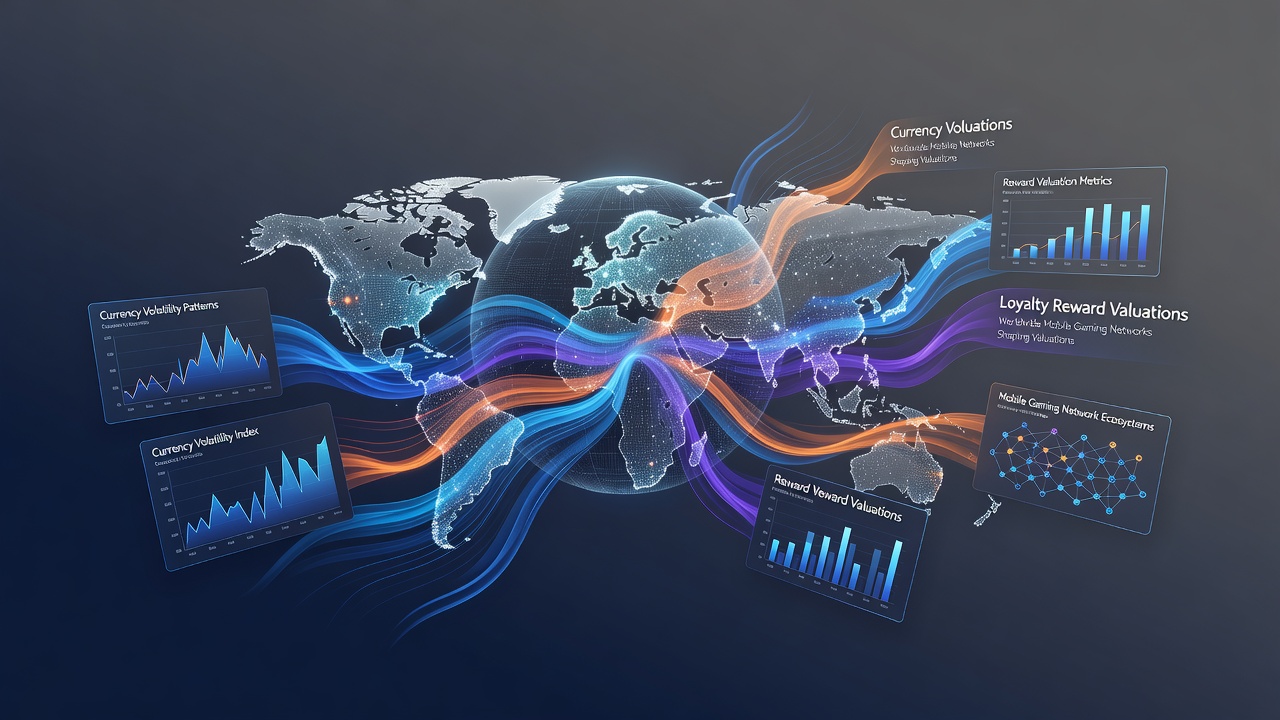
Data from mobile gaming platforms shows currency volatility directly influences how loyalty reward points convert into real-world value for players in different countries, and analysts track these shifts through exchange rate movements that alter redemption rates on a daily basis. In August 2026 figures from cross-border networks indicated that a 5 percent swing in major currency pairs produced corresponding adjustments in point valuations within hours of market changes, because algorithms embedded in the systems recalculate rewards based on live forex feeds from multiple exchanges.
Core Mechanisms Behind Reward Adjustments
Operators maintain centralized ledgers that pull real-time data from sources such as central bank releases and interbank markets, then apply multipliers to loyalty balances so that a point earned in one jurisdiction retains comparable purchasing power when redeemed elsewhere. Researchers at institutions studying digital economies note that these adjustments occur through automated protocols rather than manual intervention, which keeps the process consistent even during periods of rapid fluctuation like those observed after policy announcements from the European Central Bank or the Reserve Bank of Australia.
Players often see the effects most clearly when converting points into gift cards or in-game items priced in foreign currencies, because a strengthening local currency can increase the number of items available while a weakening one reduces them proportionally. One study released by the Asian Institute of Digital Gaming documented that loyalty systems in Southeast Asian markets adjusted valuations an average of 12 times per month during 2025, with the frequency rising when the Japanese yen or South Korean won moved against the US dollar by more than 3 percent within a single trading session.
Observed Patterns Across Regions
Networks spanning North America, Europe, and Asia Pacific reveal recurring cycles where volatility clusters around quarterly earnings reports from major game publishers and unexpected shifts in commodity prices that affect emerging market currencies. Data indicates that loyalty point values in Brazilian real and Indian rupee markets exhibit higher sensitivity compared with those tied to the euro or Canadian dollar, because the former currencies experience larger daily ranges that force more frequent recalibrations in the backend systems.
According to reports compiled by the Bank for International Settlements, the correlation between forex volatility indices and mobile gaming reward adjustments strengthened notably between 2023 and 2026, with the coefficient rising from 0.62 to 0.81 across sampled platforms. This tightening link means that periods of calm in currency markets produce stable reward offerings, whereas spikes in volatility trigger immediate downward or upward revisions that players notice when attempting redemptions.
Impact on Player Behavior and Network Operations
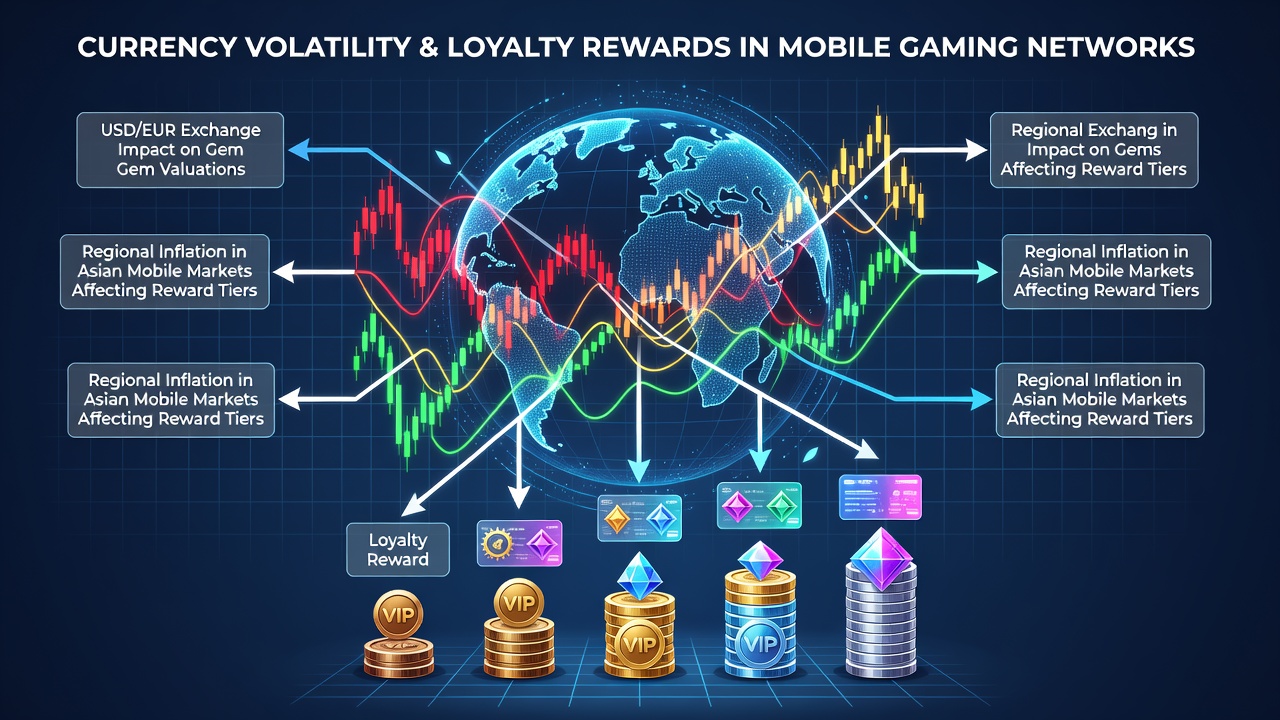
Users in high-volatility regions tend to redeem points more quickly when local currencies weaken, according to transaction logs analyzed by independent research firms, because they seek to lock in current valuations before further depreciation occurs. Conversely, stronger currency periods see delayed redemptions as players wait for potential gains in point worth. Operators respond by publishing transparent conversion tables updated every 15 minutes during active trading hours, which helps maintain trust in the system even as external rates move.
Global networks also incorporate hedging strategies that buffer some of the volatility effects on overall liability, yet these measures do not eliminate the pass-through to individual reward valuations. Figures from the European Gaming and Betting Association reveal that platforms serving multiple currencies maintain separate reserve pools denominated in each supported unit, allowing them to absorb short-term swings without disrupting service continuity for users in any single market.
Technical Integration and Future Developments
Developers integrate application programming interfaces from forex data providers directly into loyalty engines, which enables sub-second updates that keep valuations aligned with prevailing rates. In August 2026 several major platforms expanded these integrations to include predictive models that forecast likely adjustments based on scheduled central bank meetings, giving players advance notice of potential changes through in-app notifications.
Those who monitor these systems observe that the patterns have become more predictable over time as machine learning components learn from historical volatility clusters, yet unexpected events such as geopolitical developments can still produce rapid recalibrations that exceed model projections. The result is a dynamic environment where loyalty rewards function less like fixed assets and more like instruments that mirror broader financial market movements.
Conclusion
Currency volatility continues to drive ongoing refinements in how worldwide mobile gaming networks calculate and present loyalty reward values, with data patterns confirming that exchange rate movements translate directly into changes visible to end users. Networks adapt through automated systems and regional reserve structures that respond to conditions in real time, while external sources such as central bank reports and industry associations supply the benchmarks these platforms rely upon. As mobile gaming expands across borders, these linkages between forex markets and reward valuations remain a defining operational feature.