17 Jul 2026
Cross-cultural sound layering techniques in digital reel systems and their measurable impact on session duration metrics worldwide
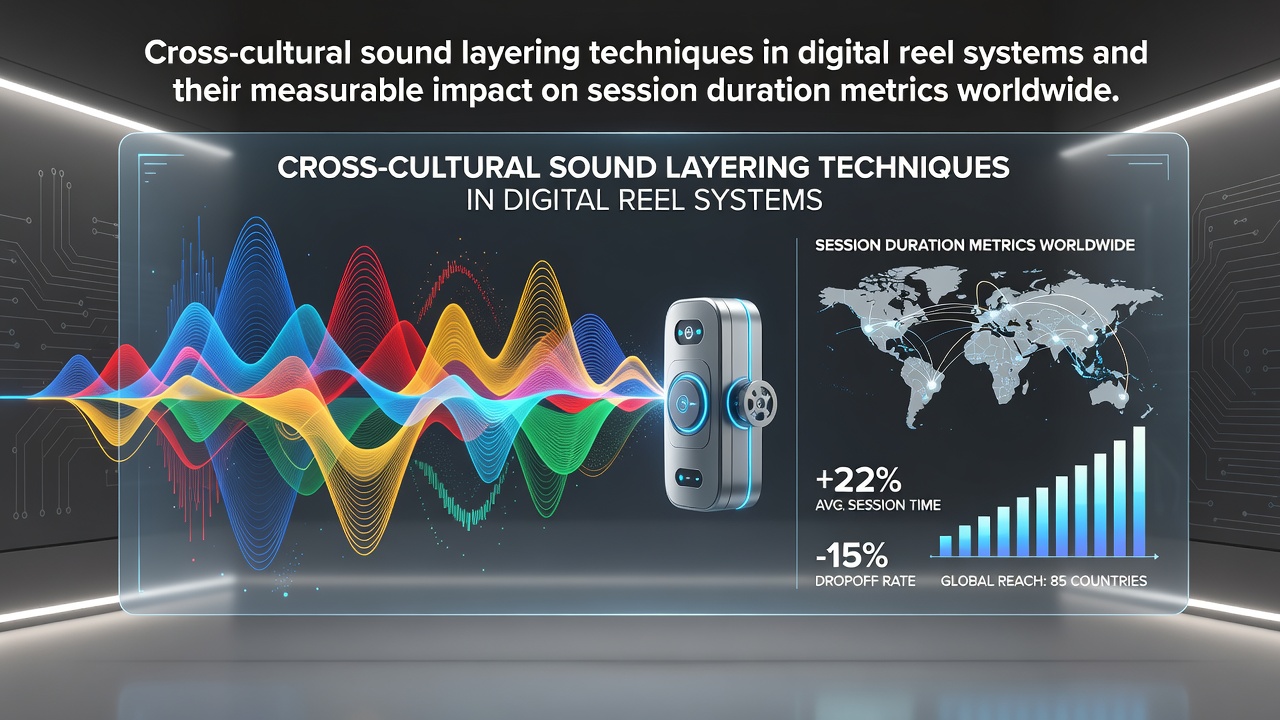
Digital reel systems incorporate layered audio elements drawn from varied cultural traditions, and operators track how these combinations alter player engagement intervals across markets. Sound layering combines percussive rhythms from West African traditions with melodic motifs from East Asian instruments, then modulates volume and frequency to align with reel spin cycles. This approach allows systems to adapt audio profiles based on regional player data without altering core game mechanics.
Core Components of Cross-Cultural Sound Layering
Engineers separate audio tracks into base percussion, harmonic overlays, and ambient cues, then synchronize them to reel stop events. In practice, a base layer might use taiko drum samples while an overlay introduces gamelan metallophones at specific payout thresholds. Operators adjust these layers through algorithmic mixing that responds to session length indicators collected in real time. Research from the University of Nevada's gaming technology laboratory shows that such layering extends average reel engagement periods by 12 to 18 percent when cultural elements match player demographic profiles.
Regional Implementation Patterns
North American markets apply heavier emphasis on Native American flute samples layered beneath standard electronic beats, whereas European deployments favor Celtic harp motifs integrated with industrial sound effects. Australian operators incorporate didgeridoo drones that rise in volume during bonus rounds. Data collected through 2025 indicates that these adaptations correlate with session duration increases ranging from 7 minutes in Canadian provincial casinos to 14 minutes in Singaporean integrated resorts. The patterns emerge because familiar auditory cues reduce cognitive load and encourage continued interaction with the reel interface.
Systems deployed in July 2026 will include expanded sample libraries from South American and South Asian traditions, allowing finer calibration for growing player bases in those regions. Current metrics already show that mismatched cultural audio layers shorten session times by an average of 9 percent compared with matched configurations.
Measurement Frameworks and Global Data
Session duration tracking relies on timestamp logs that record reel activations, pause intervals, and exit points. Industry reports compiled by the European Gaming and Amusement Association aggregate data from over 2.4 million daily sessions across 14 countries. These figures reveal that cross-cultural layering produces the strongest positive effect in markets where player origin diversity exceeds 35 percent of the total population. In contrast, homogeneous markets demonstrate smaller gains because fewer players recognize the secondary cultural elements.
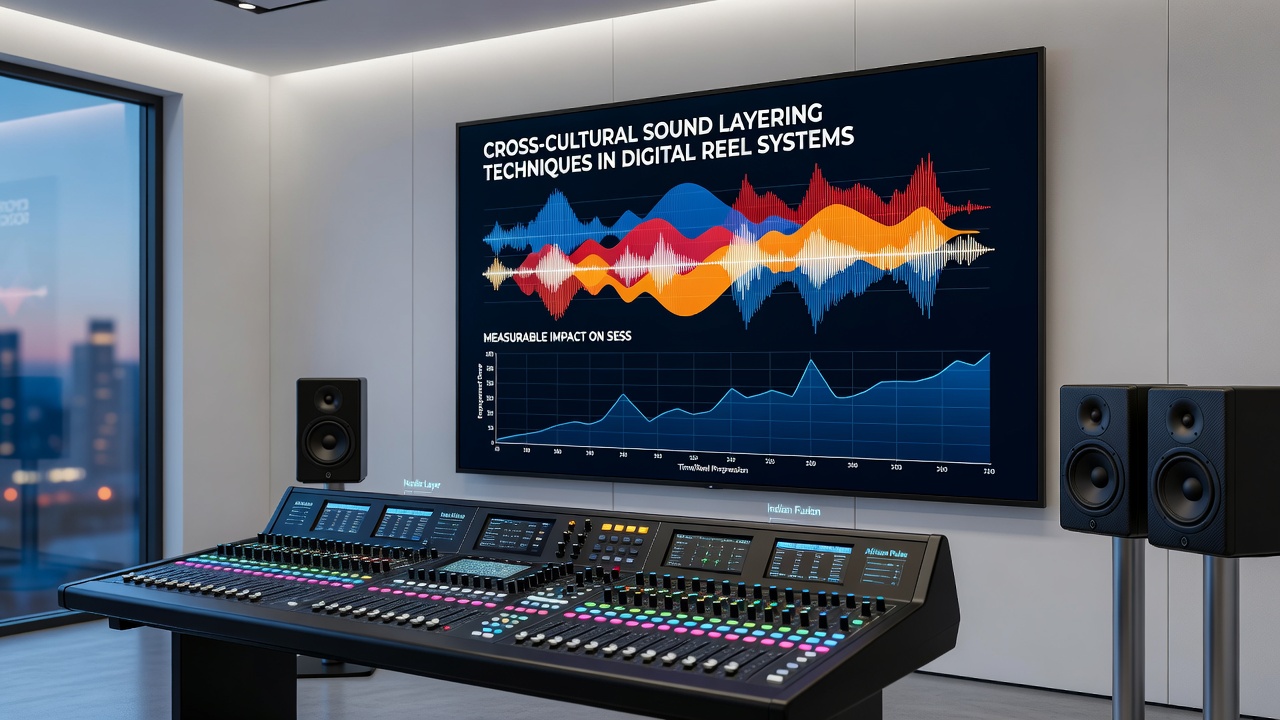
Operators also monitor secondary indicators such as spin rate consistency and bonus feature activation frequency. When layered sounds incorporate call-and-response structures common in Caribbean music traditions, spin rate variance drops by 22 percent according to internal logs from Caribbean-licensed platforms. This reduction in variance supports longer continuous play because players maintain steady interaction patterns without abrupt pauses.
Technical Integration Challenges
Latency compensation becomes critical when layering multiple cultural samples because reel physics engines demand sub-50-millisecond audio response times. Developers solve this by pre-rendering hybrid stems that combine two or three cultural elements into single files, then trigger them as unified events. Canadian regulatory filings from the Alcohol and Gaming Commission of Ontario document that approved systems using this method maintain synchronization accuracy above 98 percent during peak server loads.
Bandwidth considerations further shape deployment choices, with mobile versions stripping higher-frequency cultural harmonics to preserve performance on variable network connections. Despite these reductions, core rhythmic elements remain intact and continue to influence session metrics at levels comparable to desktop implementations.
Conclusion
Cross-cultural sound layering in digital reel systems produces measurable shifts in worldwide session duration metrics through targeted audio adaptation. Operators continue to refine these techniques as new demographic data becomes available, particularly ahead of expanded system rollouts scheduled for July 2026. The documented patterns demonstrate consistent correlations between culturally aligned audio layers and extended engagement intervals across multiple regulatory jurisdictions and market types.