Architectural Acoustics Shaping Immersion in Destination Resort Gaming Spaces
Written by Ines Neumann · Jun 29, 2026
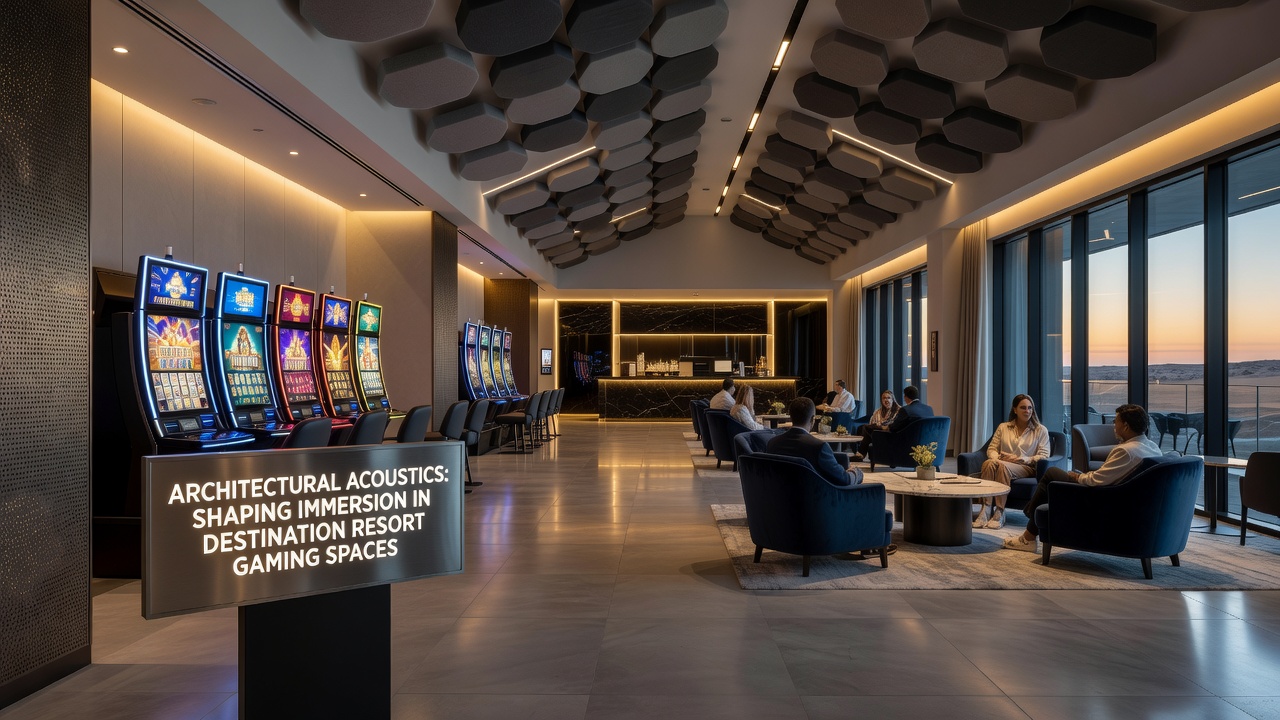
Architectural Acoustics Shaping Immersion in Destination Resort Gaming Spaces
Destination resort gaming spaces rely on carefully engineered sound environments that blend ambient noise control with targeted audio cues, and architectural acoustics play a central role in creating sustained player engagement across expansive floor plans. Designers integrate absorption materials, diffusion surfaces, and zoned speaker arrays to manage reverberation times while preserving the energetic atmosphere that defines these venues, and research from the Acoustical Society of America shows how frequency-specific treatments reduce fatigue without eliminating the social energy that draws visitors.
Sound travels differently through large open gaming halls compared with intimate table areas, which is why planners calculate early reflection paths and late reverberation decay rates before finalizing layouts. Materials such as perforated gypsum panels, mineral wool baffles, and custom timber resonators get positioned to tame low-frequency buildup from slot banks while allowing higher-frequency sounds from dice tables and card shuffles to remain distinct. These choices directly influence how long guests stay and how they move between zones.
Core Acoustic Strategies in Resort Design
Resort architects combine several established techniques to balance clarity and atmosphere. Variable acoustics systems using motorized banners and adjustable diffusers allow operators to shift the sonic character between daytime quiet periods and peak evening hours, and data from integrated building management platforms confirm measurable drops in guest complaints about noise overlap when these systems activate on schedule.
Ceiling clouds and wall treatments target specific octave bands that dominate electronic gaming machines, while floor finishes incorporate underlayments that limit impact noise transmission to lower-level amenities. In practice, these layered approaches prevent the accumulation of unwanted masking effects that can obscure important audio signals such as jackpot announcements or dealer calls.
Integration With Lighting and Spatial Flow
Acoustic planning intersects with lighting design and wayfinding because both influence how guests perceive distance and direction. Indirect cove lighting paired with absorptive wall surfaces reduces glare while controlling flutter echoes along long corridors, and observers note that synchronized lighting changes often coincide with subtle shifts in background music levels to guide movement without explicit signage.
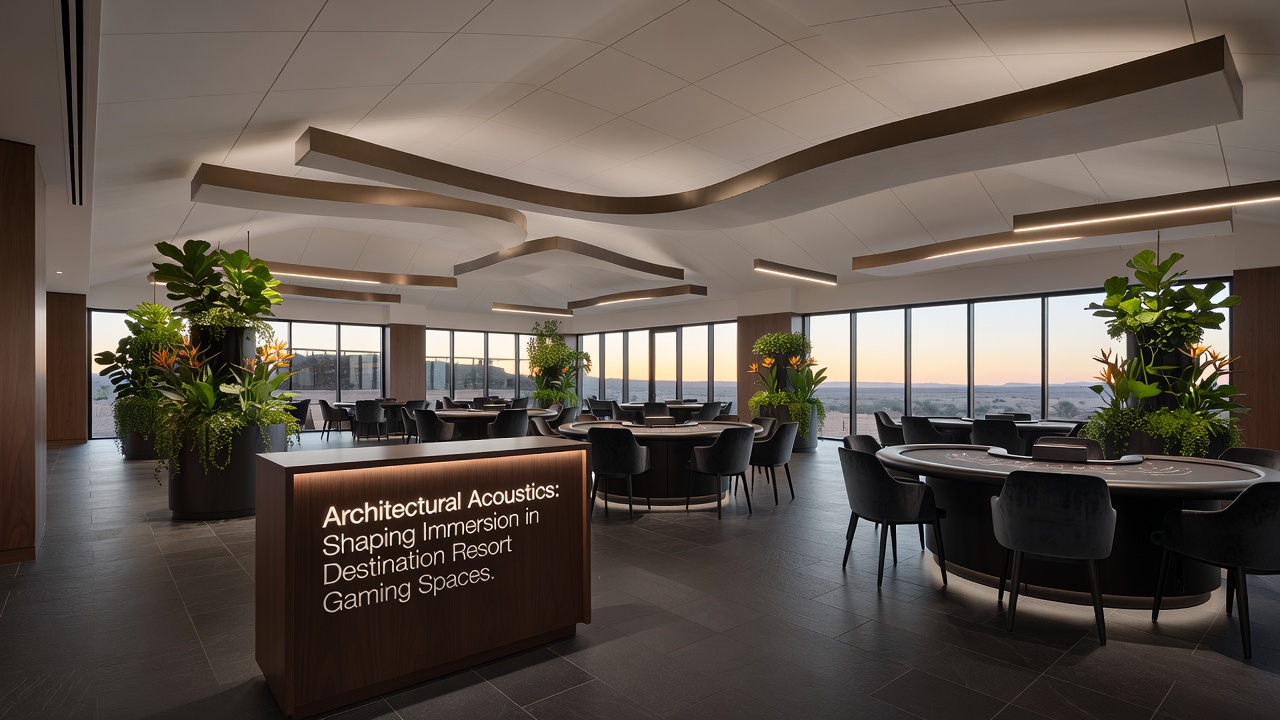
High-limit rooms receive additional isolation measures including decoupled walls and independent HVAC runs that maintain lower background noise floors. These quieter zones allow conversation at normal volumes while still permitting the distant hum of the main floor to create a sense of connection rather than separation.
Technological Enhancements and Measurement Standards
Modern installations incorporate real-time monitoring through distributed microphone arrays that feed data into adaptive equalization software, and reports from the International Gaming Institute at the University of Nevada indicate that venues using such systems achieve more consistent sound pressure levels across varying occupancy rates. Calibration routines run nightly to compensate for furniture repositioning and seasonal changes in humidity that affect absorption coefficients.
Standards developed by regional building authorities in North America and parts of Europe now reference specific reverberation time targets for gaming occupancies, pushing designers toward performance-based specifications rather than prescriptive material lists. Compliance documentation often includes both laboratory test data for individual products and on-site measurements after construction completion.
Emerging Projects and Timeline Considerations
Several large-scale expansions scheduled for mid-2026 incorporate the latest generation of hybrid acoustic materials that combine recycled content with tunable resonant cavities. These projects align construction milestones with updated regional guidelines that emphasize measurable improvements in speech intelligibility indices within mixed-use resort environments, and industry tracking shows coordinated permitting activity continuing through the first half of the year.
Conclusion
Architectural acoustics continue to evolve as an integral component of destination resort gaming design, with measurable impacts on guest movement patterns, dwell times, and overall environmental quality. Ongoing collaboration between acousticians, architects, and operators ensures that sound environments adapt alongside other technological and regulatory shifts while maintaining the distinctive sensory profile that defines these spaces.