Adaptive Lighting Systems Guiding Decision Pacing in Networked Card Rooms Operated by International Digital Platforms
Written by Gisela Peters · Jul 6, 2026

Adaptive Lighting Systems Guiding Decision Pacing in Networked Card Rooms Operated by International Digital Platforms
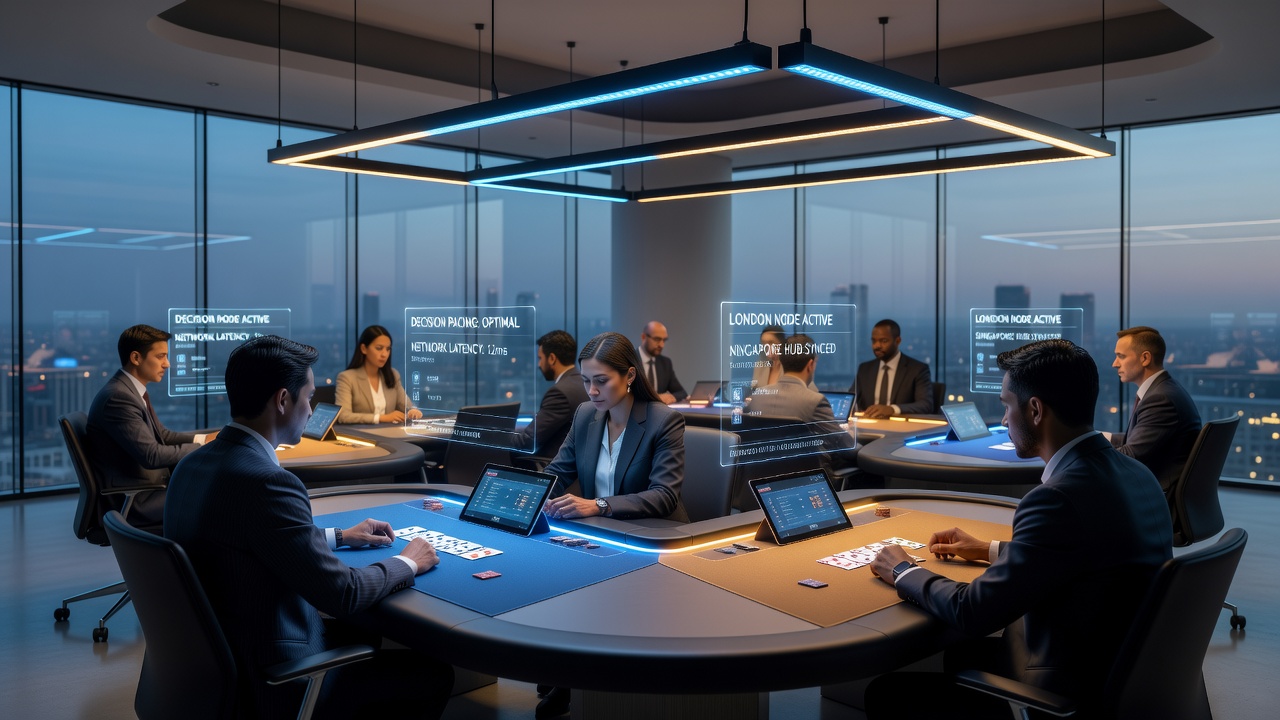
Adaptive lighting systems now integrate directly with networked card rooms run by international digital platforms, where dynamic light adjustments influence player decision timing and overall game flow. These installations combine LED arrays, sensors, and real-time data feeds from central servers to shift color temperature and intensity levels across tables, creating environments that align with betting cycles and hand resolutions. Operators in multiple jurisdictions deploy the technology to maintain consistent pacing across both physical and remote participants connected through the same digital backbone.Core Technology Components
Engineers design these systems around modular fixtures that receive commands from platform algorithms tracking player metrics such as average decision intervals and wager frequency. Data streams from card readers, RFID chips, and biometric terminals feed into lighting controllers, which then adjust output within milliseconds. Observers note that installations often incorporate zoned lighting, allowing separate control over dealer areas, spectator zones, and individual player stations while maintaining synchronization across the broader network.
International platforms coordinate these adjustments through cloud-based management layers that standardize protocols across facilities in different regions. One deployment in a major Asian hub links lighting responses to game speed indicators pulled from a shared server architecture, whereas similar setups in North American locations pull equivalent data from localized edge processors to reduce latency.
Integration with Digital Platforms
Networked card rooms operated by these platforms transmit lighting directives alongside game state updates, ensuring that visual cues remain aligned with ongoing hands. When a round enters a high-stakes decision phase, fixtures shift toward cooler tones that studies associate with heightened focus, while post-resolution periods see warmer, lower-intensity settings that encourage brief pauses. Platform operators report that such synchronization occurs across thousands of simultaneous sessions without requiring manual intervention from on-site staff.
Regional Implementation Patterns
Facilities in Singapore have adopted adaptive lighting tied to regulatory reporting requirements set by the Casino Regulatory Authority, where performance logs include light adjustment timestamps alongside transaction records. In contrast, operators serving Australian markets coordinate similar systems through state-level gaming commissions that emphasize audit trails for all automated environmental controls. European platforms meanwhile incorporate these features into cross-border networks that comply with varying data protection standards while delivering uniform lighting responses.
Impact on Decision Pacing
Research conducted at several university-affiliated gaming labs indicates measurable shifts in average decision duration when lighting parameters change in coordination with game events. Participants in monitored sessions completed actions within narrower time windows during periods of elevated blue-spectrum illumination, whereas extended recovery intervals appeared under reduced intensity conditions. Platform analytics aggregate these patterns across global user bases to refine algorithm thresholds that govern future lighting sequences.
Take one operator managing tables across three continents who documented reduced variance in hand completion rates after implementing zone-specific lighting schedules. The same datasets revealed correlations between light transitions and player retention metrics tracked through loyalty program integrations. Those figures appear in periodic industry summaries released by organizations such as the Nevada Gaming Control Board, which monitors environmental technology deployments at licensed properties.
Future Developments Through 2026
Platform developers continue testing next-generation fixtures that incorporate predictive modeling based on historical session data, allowing preemptive lighting changes ahead of anticipated decision bottlenecks. Scheduled expansions in July 2026 will introduce compatibility layers for emerging 5G network standards, enabling finer control granularity in mobile-linked card room environments. Additional pilots underway in multiple jurisdictions explore integration with augmented reality overlays that further reinforce pacing signals delivered through light patterns.
Academic papers from institutions including the University of Macau detail ongoing trials measuring long-term effects on player behavior across extended operational periods. These studies track variables such as repeat visit frequency and session length alongside lighting configuration logs, producing datasets that inform platform-wide optimization strategies.
Conclusion
Adaptive lighting systems continue to evolve as core infrastructure within networked card rooms managed by international digital platforms. Their capacity to influence decision pacing through synchronized environmental controls rests on integrated sensor networks, algorithmic coordination, and cross-regional compliance frameworks. Data collected through these deployments supports ongoing refinements that align physical conditions with digital game flows across expanding global operations.